
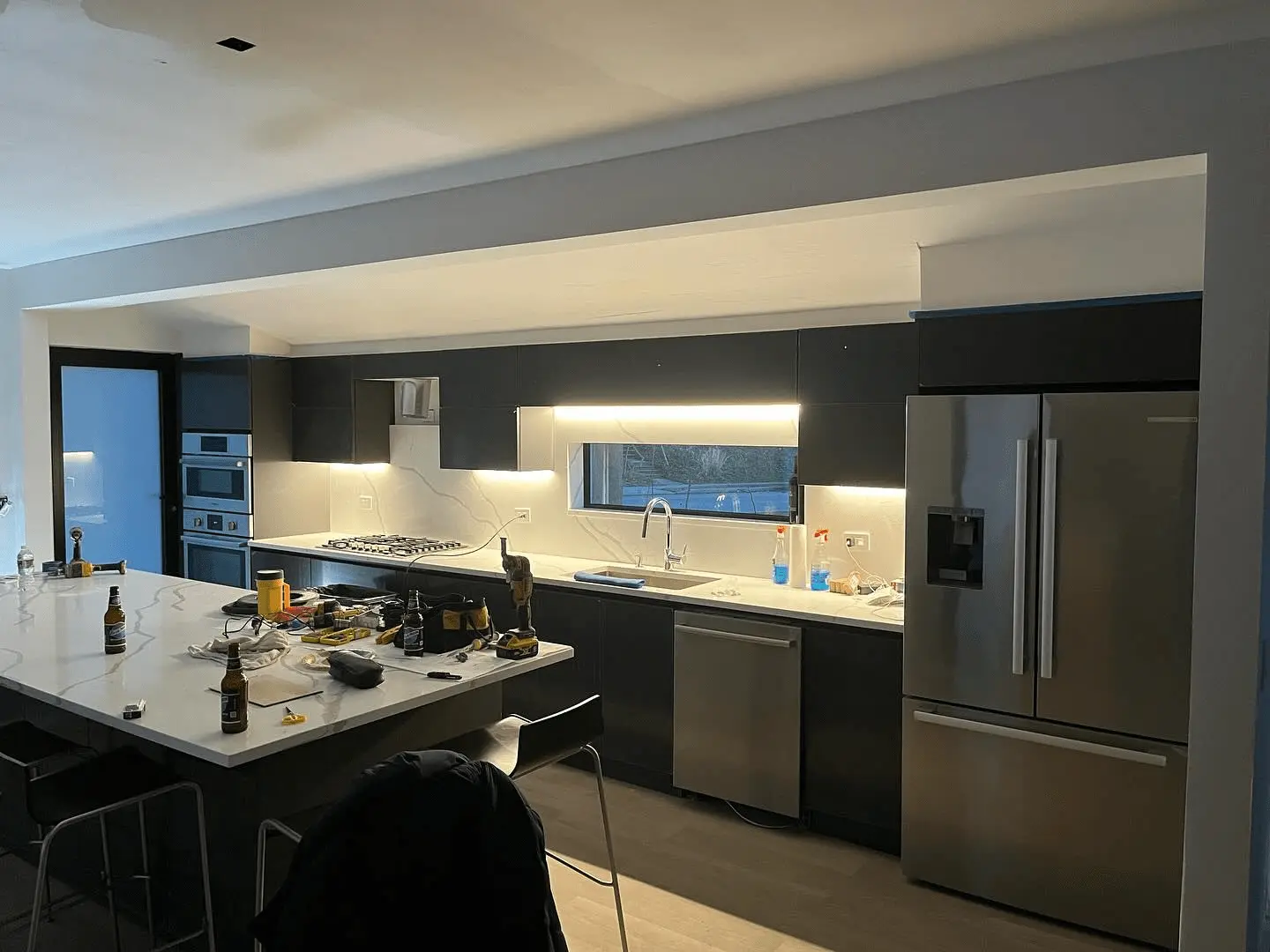
General Contractor
in Ditmas Park, NY
Ditmas Park presents the most architecturally exceptional residential landscape in Brooklyn — a neighborhood of large, freestanding Victorian and Craftsman homes on lots of an eighth to a third of an…
The Architecture of Ditmas Park
Victorian Free Classic · Colonial Revival
Primary Styles
1890s–1920s
Built Era
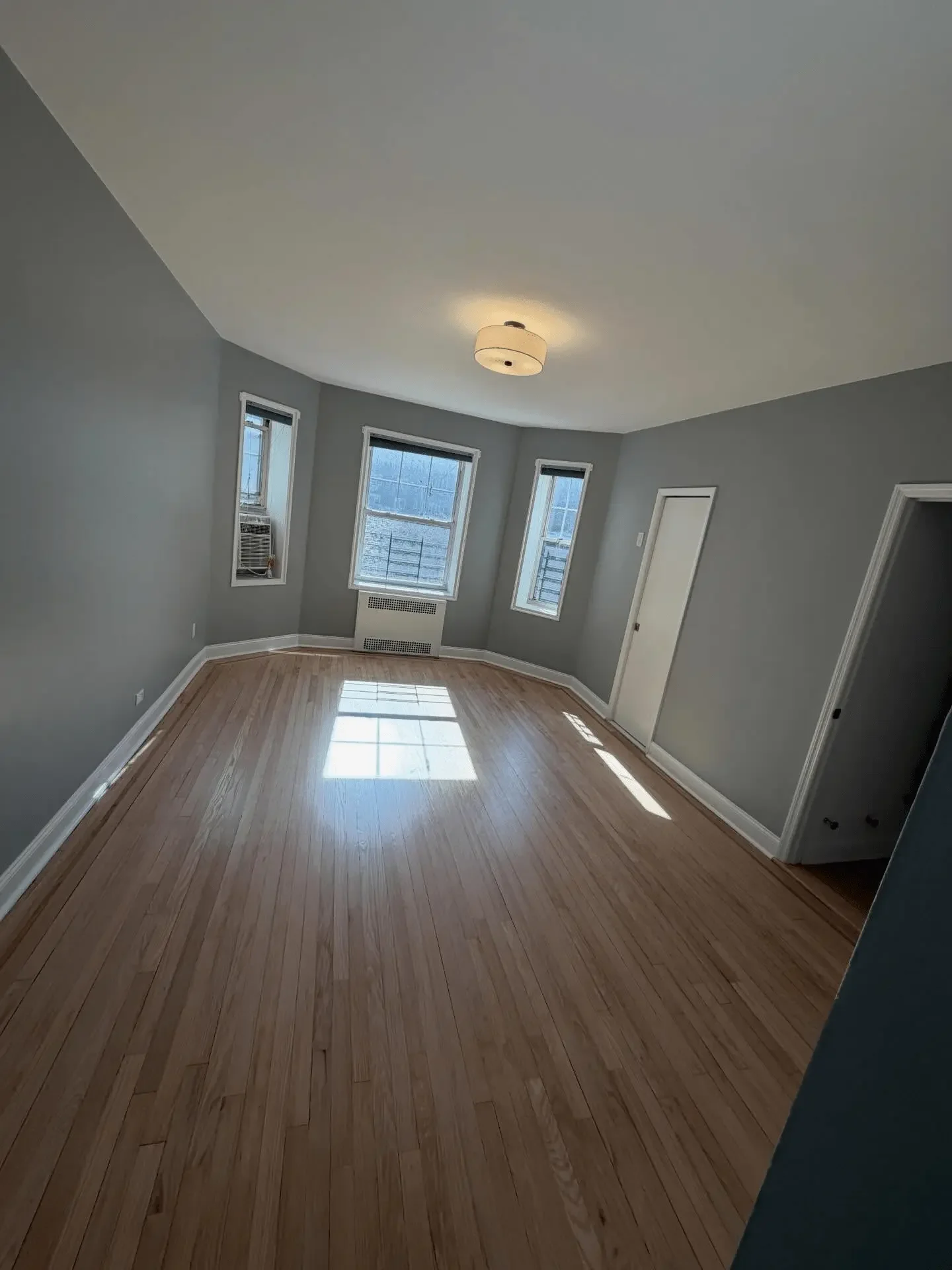
Ditmas Park’s residential fabric is defined by Victorian Free Classic and Colonial Revival construction — a concentrated stock of homes built primarily between 1890s–1920s. At an average of 3,200 sq ft on lots ranging 0.12–0.35 acres, these properties set a high bar for material quality and construction precision.
Ditmas Park presents the most architecturally exceptional residential landscape in Brooklyn — a neighborhood of large, freestanding Victorian and Craftsman homes on lots of an eighth to a third of an acre, with front yards, rear yards, and side yards that give the primary residential streets a suburban scale unique within the five boroughs. The homes — built predominantly between the 1890s and the 1920s in the Victorian Free Classic, Queen Anne, Dutch Colonial, and Craftsman styles — are wood-frame structures with original clapboard siding, wrap-around porches of turned or tapered wood columns with decorative brackets, and interior woodwork of a quality and complexity that reflects the ambitions of their original builders. These are not the speculative rowhouses built to a developer's standard; they are individually designed residences, each with its own porch configuration, roofline composition, and ornamental program, built by the families who originally occupied them and maintained over the course of a century by subsequent owners who understood what they had. The renovation context in Ditmas Park is therefore one of preservation and careful restoration rather than wholesale reconfiguration: the original wood-frame structure, the original porch millwork, the original interior woodwork and plaster — these are the materials that give each building its character, and renovation work that displaces them in favor of contemporary substitutes diminishes the building's value in ways that are not easily recovered. JMR's Ditmas Park renovation approach begins with documentation of the existing fabric — the original wood species, the original milling profiles, the original structural condition — before any scope is proposed.
JMR has completed projects within reach of Flatbush Reformed Dutch Church (Individual NYC Landmark — Flatbush Avenue, 1798), Erasmus Hall Academy (Individual NYC Landmark — founded 1786, oldest secondary school in New York State), Vitagraph Studios site (East 14th Street — historic film production site).
Ditmas Park occupies the central Flatbush area between Cortelyou Road, Ocean Avenue, Beverly Road, and Marlborough Road — a residential enclave of large freestanding Victorian homes surrounded by the denser apartment and row-house fabric of the wider Flatbush neighborhood. It is served by the B/Q lines at Cortelyou Road and Church Avenue. The neighborhood's position within the broader Flatbush residential district gives it an enclave character: the Victorian streetscapes of Marlborough Road and Westminster Road are dramatically different in scale, density, and building type from the surrounding blocks.
Our Approach in Ditmas Park
Ditmas Park's Victorian and Craftsman homes were built primarily between the 1890s and the 1920s using the wood-frame construction practices of that period — balloon or early platform framing in old-growth Douglas fir and yellow pine, original plaster on wood lath at all interior surfaces, and original wide-plank floors in species no longer commercially produced. These buildings' structural systems reflect 100 to 130 years of accumulated differential settlement, seasonal movement, and prior modification. The specific conditions vary home by home: original balloon framing may have accumulated stud checks or notches from prior electrical and plumbing routing that affect the wall system's structural contribution; original plaster on wood lath may be in excellent condition in one room and fragile in the next depending on the history of moisture infiltration; original porch structures — exposed to a century of Brooklyn weather — often require systematic structural assessment before the cosmetic restoration work is proposed. The wood-frame construction of Ditmas Park homes also presents specific mechanical upgrade considerations: new heating, cooling, and ventilation systems must be designed to route through a framing system without the concrete or steel structural elements of masonry construction, and insulation upgrades at the exterior walls must be designed to preserve the vapor management characteristics of the original wood-frame assembly. JMR's Ditmas Park pre-construction assessment documents the existing structural system condition, the state of the original wood fabric, and the mechanical routing constraints building by building before any renovation scope is proposed.
$1,200,000
Median Home Value
0.12–0.35
Lot Size (acres)
Track Record in Ditmas Park
JMR has completed 6 projects in Ditmas Park — including full Victorian home restorations with LPC Certificate of Appropriateness coordination for porch reconstruction and clapboard restoration, primary suite additions within the building's original dormer envelope, and full mechanical system replacement in wood-frame Victorian structures — with all permits filed through the NYC Department of Buildings Brooklyn Borough Office.
Our Services
Six Disciplines.
Built for Ditmas Park.
Every project in Ditmas Park is delivered by the same dedicated JMR team — from permit application through certificate of occupancy. One integrated team. Zero subcontracted surprises.
Custom Homes
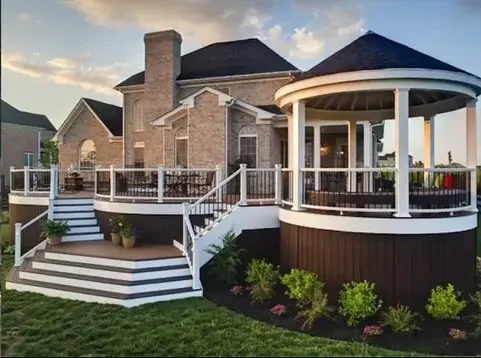
New construction in Ditmas Park is evaluated for compatibility with the surrounding Victorian Free Classic streetscape — a process JMR manages from design development through certificate of occupancy.
Kitchen Remodeling
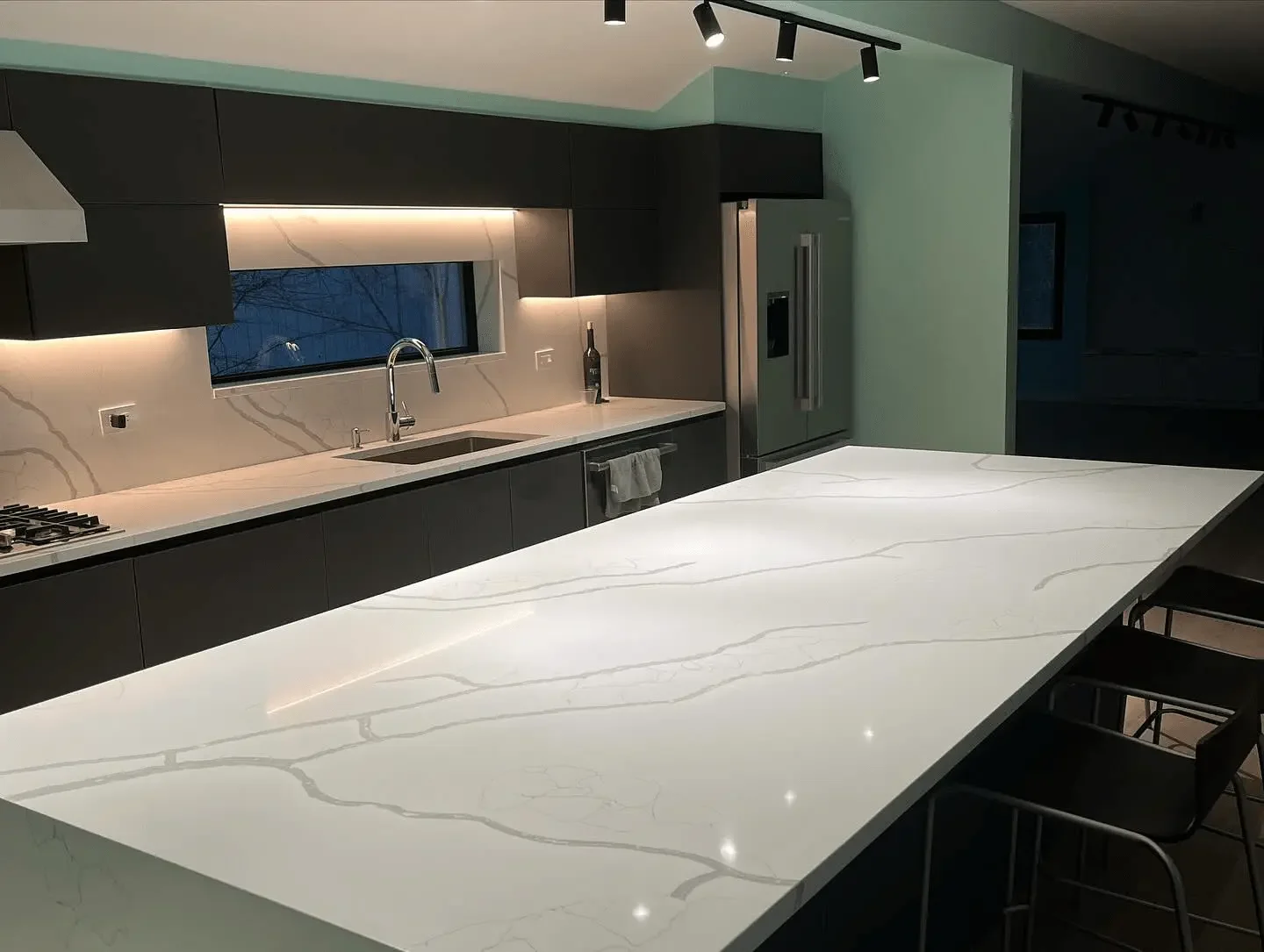
Kitchen renovations in Ditmas Park typically involve working within Victorian Free Classic structural layouts — preserving original millwork and ceiling heights while integrating modern appliances and MEP systems.
Roofing
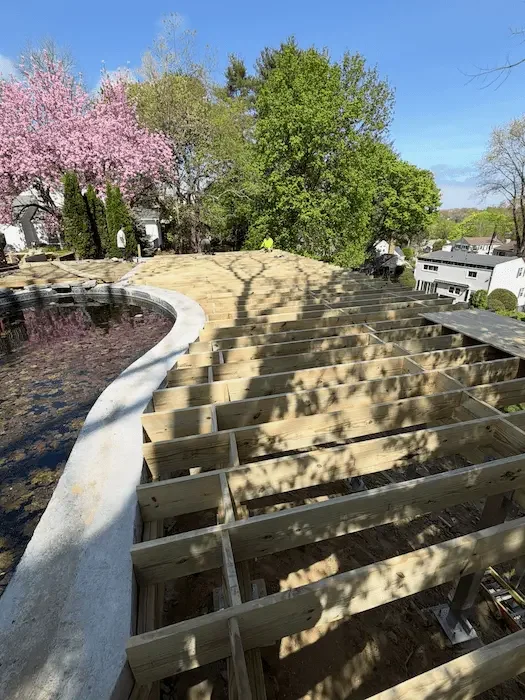
Victorian Free Classic homes in Ditmas Park often feature steep pitches, dormers, and period materials — slate, cedar shake — that require experienced estimation and precise, material-matched execution.
Home Remodeling
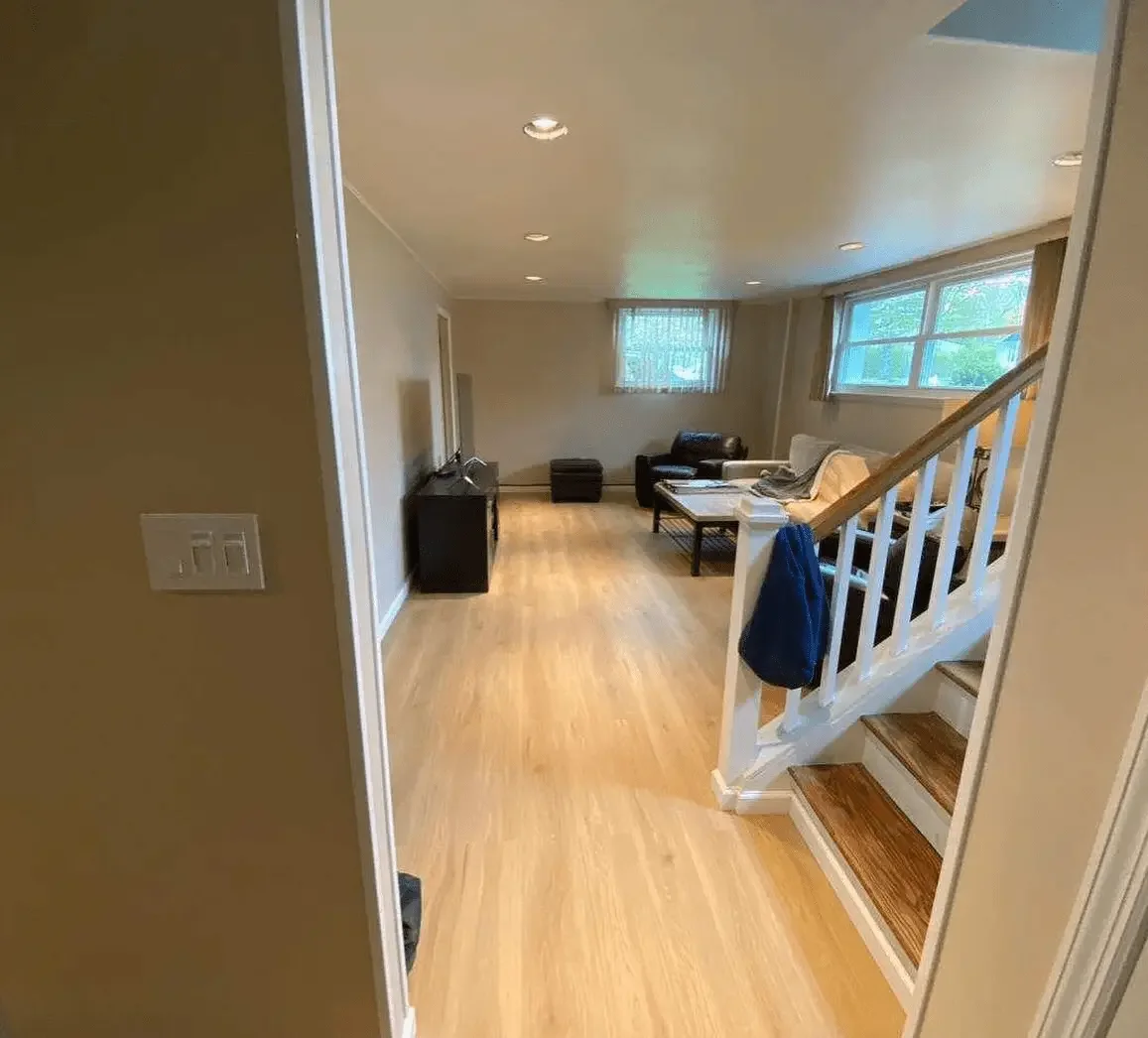
Full home renovations in Ditmas Park balance the original Victorian Free Classic character of the property against current code requirements and contemporary lifestyle expectations.
Bathroom Remodeling
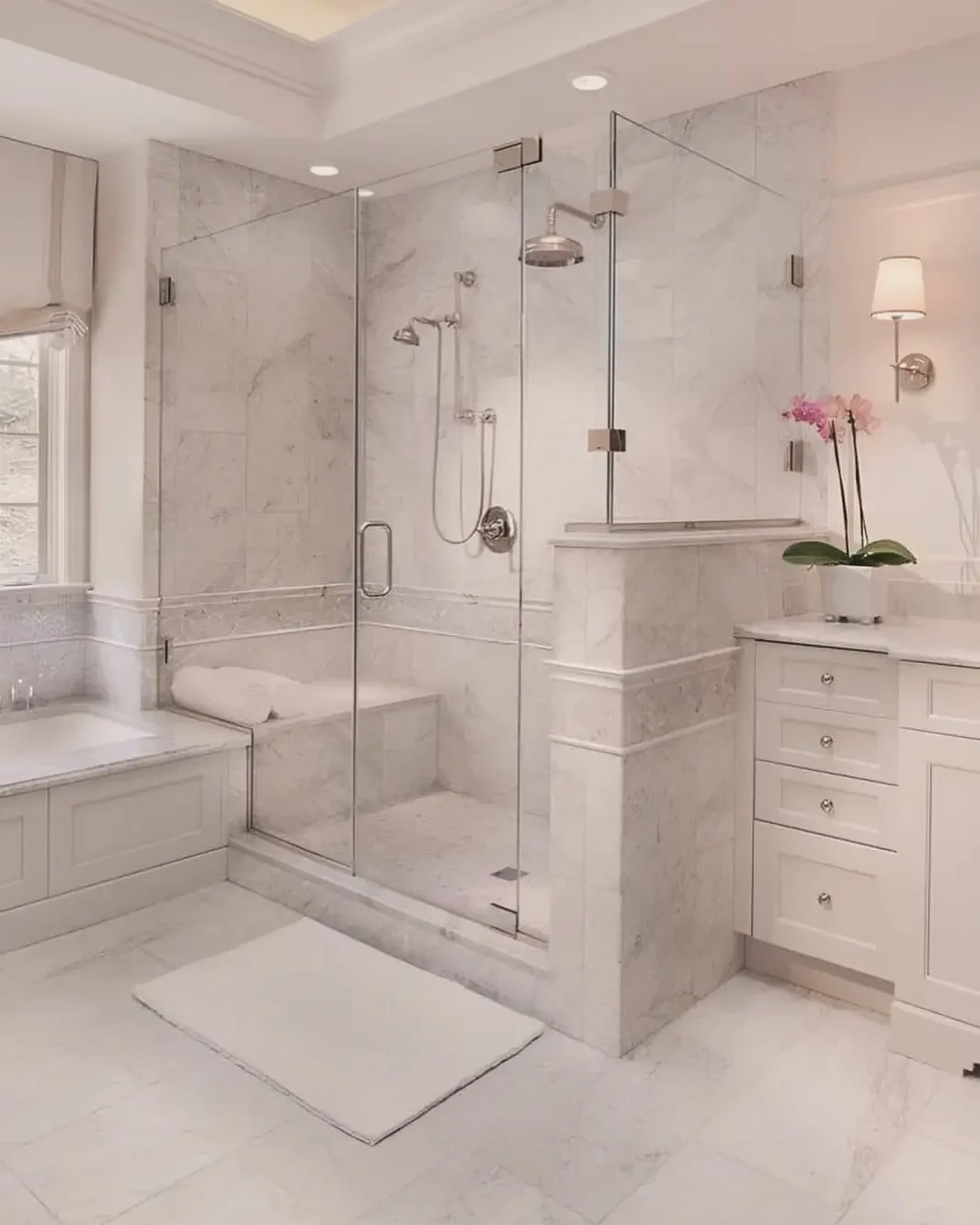
Victorian Free Classic homes in Ditmas Park frequently feature original cast-iron fixtures and period tile configurations that require skilled hands to restore or sensitively replace.
Deck Construction
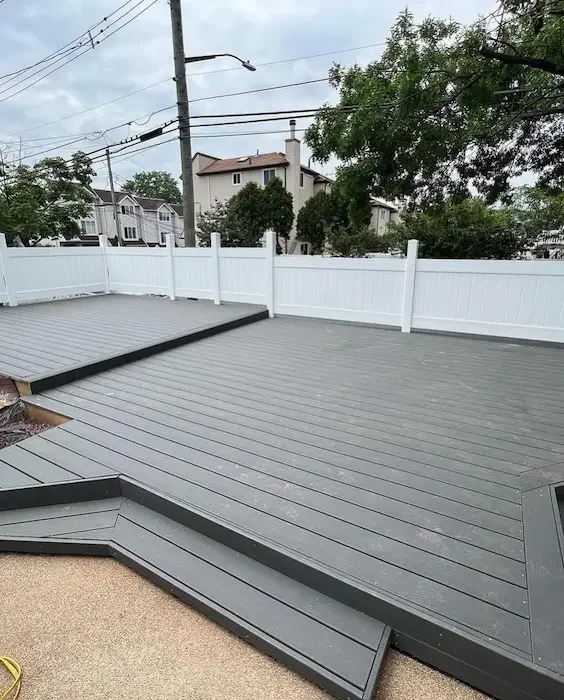
Exterior additions in Ditmas Park require careful material selection and massing to complement the existing Victorian Free Classic profile of the home and satisfy local setback regulations.
Serving Ditmas Park homeowners across all six disciplines
View All Brooklyn LocationsVerified Reviews
What Brooklyn Homeowners Say
Excellent craftsmanship and quality. They worked quickly and with great attention to detail. The kitchen is beautiful — exactly what we envisioned. Absolutely recommended.
Mingo Montes
Kitchen Remodeling · October 2025
We had a complex job — load-bearing wall removal, custom island, full mechanical relocation. JMR managed the structural engineer, the cabinet shop, and the stone fabricator without us needing to coordinate anything. Came in on schedule. The kitchen is exactly what we specified.
Robert Chen
Kitchen Remodeling · August 2025
JMR gutted and rebuilt our master bath from the studs. They coordinated the plumber and electrician themselves — we had one contact for the entire project. The result is exactly what we approved in the specification. Clean site every day. No surprises at any stage.
James Morley
Bathroom Remodeling · June 2025
Permits & Process
Permitting in Ditmas Park
What You Need to Know
NYC Department of Buildings — Brooklyn Borough Office
Visit permit authority portalAll residential renovation work in Ditmas Park requiring structural, plumbing, electrical, or HVAC modifications must be filed with the NYC Department of Buildings through a DOB-registered architect or engineer. The Ditmas Park Historic District — designated by the NYC Landmarks Preservation Commission in 2007 — covers the remarkably intact blocks of large freestanding Victorian and Craftsman homes on Marlborough Road, Westminster Road, and the surrounding residential streets between Dorchester Road and Ditmas Avenue. Within the district, a Certificate of Appropriateness is required for all exterior alterations visible from a public way, including replacement of original wood clapboard siding, porch modifications, window and door replacement, and any alterations to the original decorative millwork that defines the character of each building. The adjacent Prospect Park South Historic District (LPC, 1979) covers additional blocks of the Victorian Flatbush development area to the north and imposes the same CofA requirements. The Ditmas Park building stock — freestanding wood-frame Victorian homes with wrap-around porches, original wood siding, and original Queen Anne or Craftsman millwork — presents LPC review conditions specific to wood-frame residential preservation: original clapboard replacement proposals must use wood species and profile dimensions consistent with the original installation; porch restoration work must document original column, railing, and bracket dimensions before replacement; and rooftop additions or dormers visible from the public way require CofA review demonstrating compatibility with the building's original roof massing. JMR manages the full DOB and LPC regulatory sequence for all Ditmas Park projects.
Historic District Considerations
The Ditmas Park Historic District (LPC, 2007) and the adjacent Prospect Park South Historic District (LPC, 1979) together protect the most significant concentration of freestanding late Victorian and Craftsman residential architecture in Brooklyn. The districts' character guidelines address the specific materials and ornamental vocabulary of the 1890s–1920s wood-frame residential tradition: original wood clapboard siding, wrap-around porch configurations with turned or tapered wood columns and decorative brackets, original Queen Anne or Colonial Revival window proportions, and Craftsman-period shingle or board-and-batten detailing. A Certificate of Appropriateness is required for all exterior alterations visible from a public way; for wood-frame buildings, this includes siding replacement, porch modifications, window and door replacement, and any alterations to original millwork. JMR prepares full CofA applications and coordinates with LPC for all exterior alterations within both historic districts.
How JMR Manages It
-
Consultation & Site Assessment
On-site review of existing conditions, structural constraints, and project scope. Preliminary permit pathway identified.
-
Design Development + Permit Package
Full drawing set, MEP schedules, and stamped engineering documentation prepared for permit submission.
-
Agency Review
Permit processing with the NYC Department of Buildings — Brooklyn Borough Office — inclusive of any required historic review board approval.
-
Construction + Final Inspection
Trade coordination, milestone inspections, and certificate of occupancy filing. Full documentation package delivered at handover.
Common Questions
Ditmas Park,
Answered.
Permit timelines, material considerations, and what to expect from a project in Ditmas Park.
Ask Us DirectlyWhat permits are required for a home renovation in Ditmas Park, NY?
All residential renovation work in Ditmas Park requiring structural, plumbing, electrical, or HVAC modifications must be filed with the NYC Department of Buildings through a DOB-registered architect or engineer. The Ditmas Park Historic District — designated by the NYC Landmarks Preservation Commission in 2007 — covers the remarkably intact blocks of large freestanding Victorian and Craftsman homes on Marlborough Road, Westminster Road, and the surrounding residential streets between Dorchester Road and Ditmas Avenue. Within the district, a Certificate of Appropriateness is required for all exterior alterations visible from a public way, including replacement of original wood clapboard siding, porch modifications, window and door replacement, and any alterations to the original decorative millwork that defines the character of each building. The adjacent Prospect Park South Historic District (LPC, 1979) covers additional blocks of the Victorian Flatbush development area to the north and imposes the same CofA requirements. The Ditmas Park building stock — freestanding wood-frame Victorian homes with wrap-around porches, original wood siding, and original Queen Anne or Craftsman millwork — presents LPC review conditions specific to wood-frame residential preservation: original clapboard replacement proposals must use wood species and profile dimensions consistent with the original installation; porch restoration work must document original column, railing, and bracket dimensions before replacement; and rooftop additions or dormers visible from the public way require CofA review demonstrating compatibility with the building's original roof massing. JMR manages the full DOB and LPC regulatory sequence for all Ditmas Park projects.
How does Ditmas Park Historic District (LPC — designated 2007) affect renovation permits in Ditmas Park?
The Ditmas Park Historic District (LPC, 2007) and the adjacent Prospect Park South Historic District (LPC, 1979) together protect the most significant concentration of freestanding late Victorian and Craftsman residential architecture in Brooklyn. The districts' character guidelines address the specific materials and ornamental vocabulary of the 1890s–1920s wood-frame residential tradition: original wood clapboard siding, wrap-around porch configurations with turned or tapered wood columns and decorative brackets, original Queen Anne or Colonial Revival window proportions, and Craftsman-period shingle or board-and-batten detailing. A Certificate of Appropriateness is required for all exterior alterations visible from a public way; for wood-frame buildings, this includes siding replacement, porch modifications, window and door replacement, and any alterations to original millwork. JMR prepares full CofA applications and coordinates with LPC for all exterior alterations within both historic districts.
What LPC requirements apply to exterior restorations and alterations on Ditmas Park Victorian homes within the Historic District?
Ditmas Park's LPC Historic District (2007) and the adjacent Prospect Park South Historic District (1979) impose Certificate of Appropriateness requirements for all exterior alterations visible from a public way — with character guidelines specifically calibrated to the wood-frame Victorian and Craftsman building types that define these districts. For wood clapboard siding, the LPC requires that replacement siding match the original wood species, profile dimensions, and exposure dimensions of the existing installation; fiber cement or vinyl alternatives to wood siding are generally not approvable within these districts unless the original wood material is demonstrated to be unsalvageable. For porch restorations, the LPC requires documentation of the original column profile, bracket design, railing dimensions, and baluster spacing before any replacement elements are fabricated; where original elements survive in damaged condition, repair is preferred over replacement, and where replacement is necessary, the replacement must match the original dimensions and profile. Window and door replacement proposals must demonstrate that the replacement unit's visible dimensions, glazing bar pattern, and frame profile are consistent with the original period. JMR prepares full CofA applications documenting existing conditions with measured drawings and photographs before any exterior restoration scope is proposed.
What permits and LPC considerations apply to deck or porch restoration and addition on a Ditmas Park Victorian home?
Deck and porch work on Ditmas Park Victorian homes within the Historic District falls under two distinct categories with different regulatory requirements. Restoration or repair of original wrap-around porch structures — including replacement of deteriorated column bases, porch decking, baluster sections, or bracket elements in kind — is approvable as routine maintenance work under the LPC's minor work category, provided the replacement elements match the original in species, dimensions, and profile. New deck additions at the rear of the property that are not visible from a public way do not require LPC Certificate of Appropriateness review and proceed through the DOB permit process only; this makes rear deck additions on Ditmas Park's deep lots one of the more straightforward exterior additions in any Brooklyn historic district. New porch additions, porch enclosures, or changes to the original porch's roof configuration that are visible from the street require a full CofA review demonstrating compatibility with the building's original design intent. All deck and porch construction requires a DOB building permit with structural drawings. JMR's deck and porch scope review identifies which elements require LPC review and which proceed through DOB only before any design work begins.
Has JMR Construction completed projects in Ditmas Park before?
JMR has completed 6 projects in Ditmas Park — including full Victorian home restorations with LPC Certificate of Appropriateness coordination for porch reconstruction and clapboard restoration, primary suite additions within the building's original dormer envelope, and full mechanical system replacement in wood-frame Victorian structures — with all permits filed through the NYC Department of Buildings Brooklyn Borough Office.
Nearby Communities We Serve
View All Brooklyn Towns →Begin Your Project
Let's Build Something
Worth Inheriting.
Custom homes and full renovations from $150,000 — across Westchester County, Rockland, and NYC. A limited number of engagements accepted each year.
Request a Private ConsultationOr call us directly: (646) 581-0754
No commitment required · No unsolicited follow-up · Your project details stay between us