
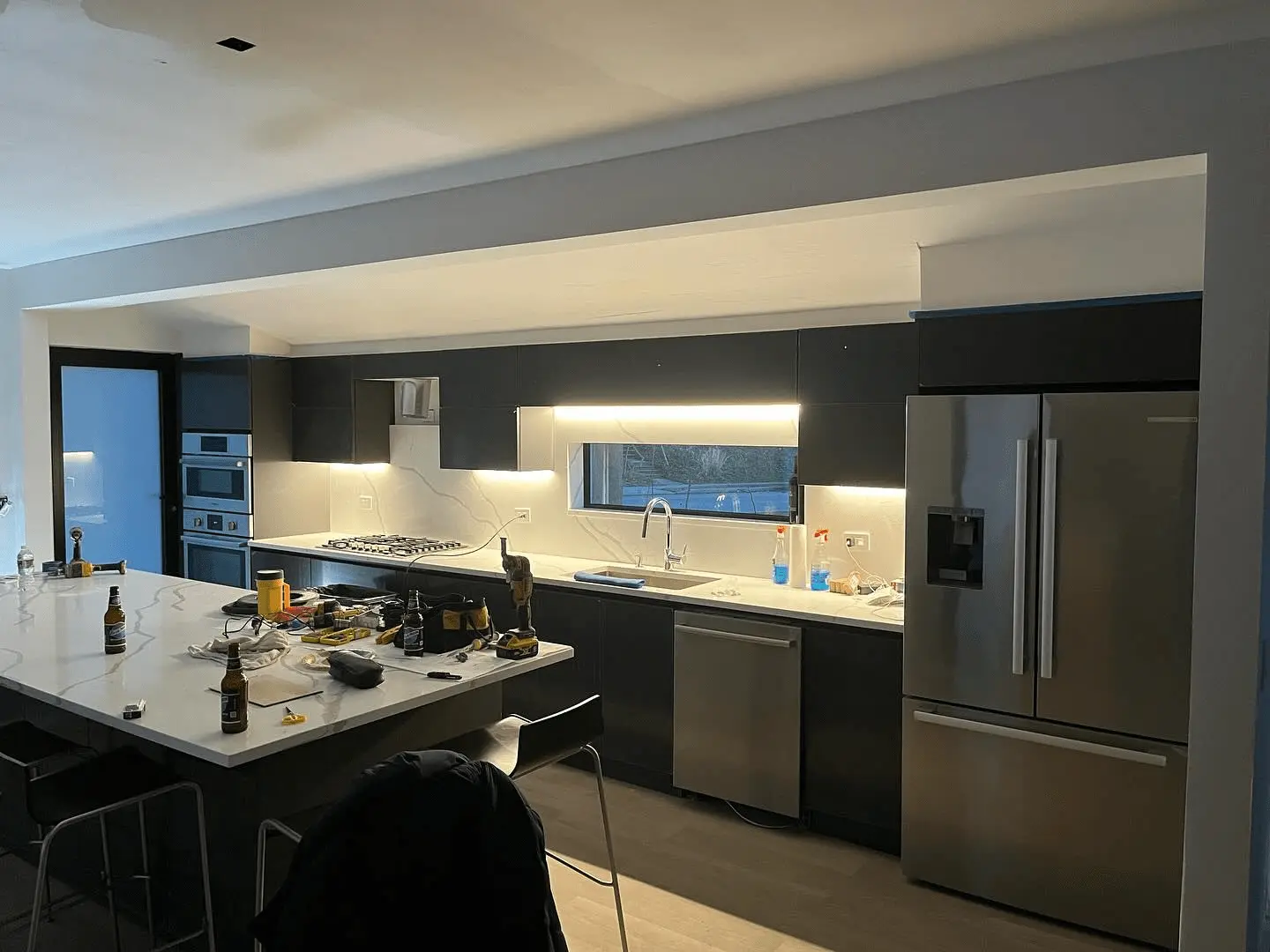
General Contractor
in Boerum Hill, NY
Boerum Hill's residential identity is inseparable from its building history — a neighborhood whose Italianate and Neo-Grec brownstone rowhouses were built primarily in the 1860s through the 1880s,…
The Architecture of Boerum Hill
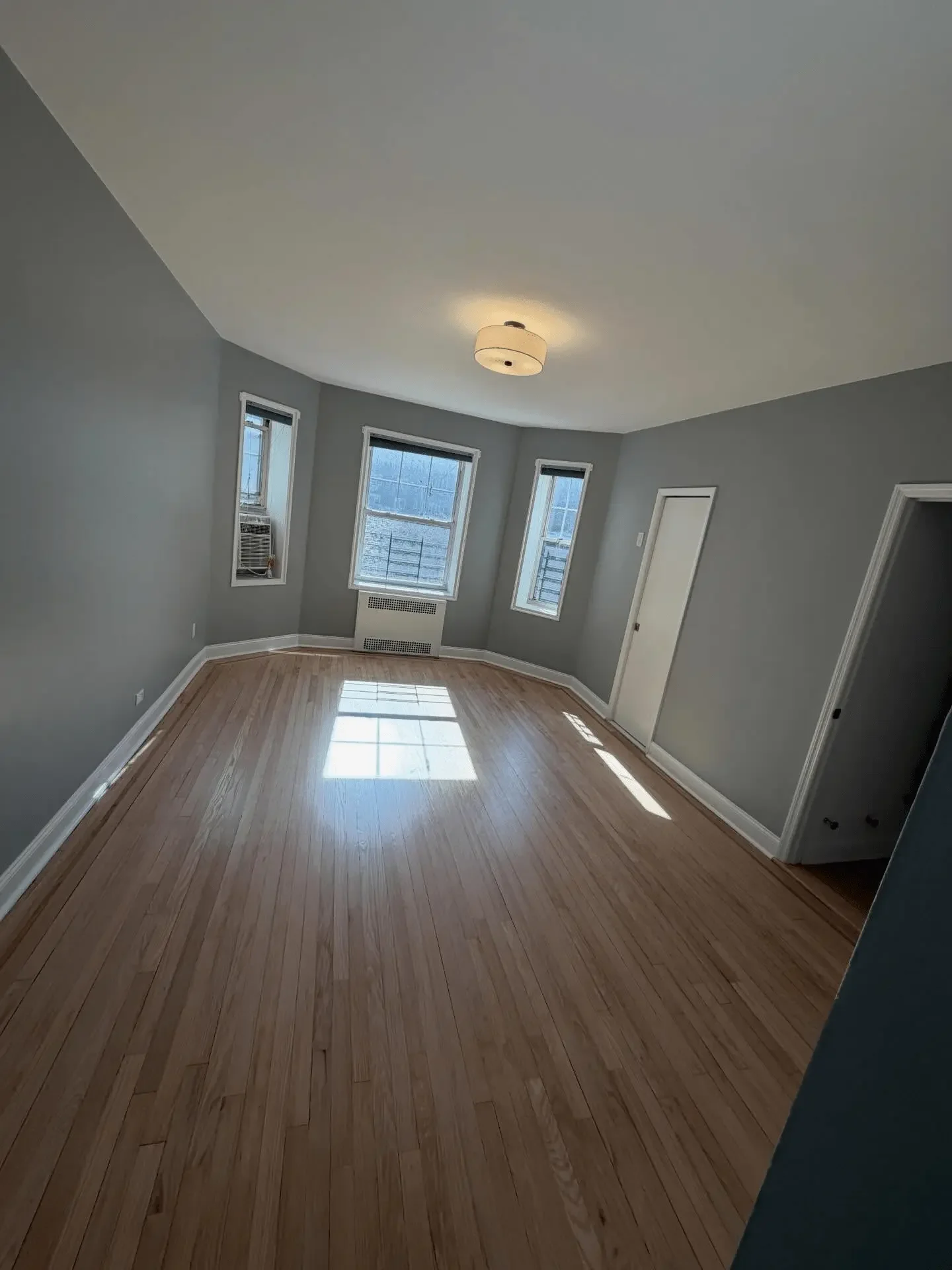
Italianate Brownstone · Neo-Grec Rowhouse
Primary Styles
1840s–1890s
Built Era
Boerum Hill’s residential fabric is defined by Italianate Brownstone and Neo-Grec Rowhouse construction — a concentrated stock of homes built primarily between 1840s–1890s. At an average of 1,700 sq ft on lots ranging 0.04–0.10 acres, these properties set a high bar for material quality and construction precision.
Boerum Hill's residential identity is inseparable from its building history — a neighborhood whose Italianate and Neo-Grec brownstone rowhouses were built primarily in the 1860s through the 1880s, fell into deterioration through the mid-20th century as single-family residences were converted to rooming house and SRO use, and were reclaimed beginning in the late 1960s and 1970s in one of Brooklyn's first brownstone-revival renovation waves. The neighborhood name itself was coined during this revival period by residents seeking to distinguish their community — the name references the Boerum family's colonial-era farm that once occupied the land. The brownstones on Boerum Hill's primary residential blocks — Pacific Street, Dean Street, Bergen Street — are predominantly three- and four-story Italianate and Neo-Grec buildings of 20 to 22 feet in width, built on standard 100-foot deep Brooklyn lots in continuous party-wall configurations. The renovation history of many of these buildings reflects the conversion period: structural modifications, improvised mechanical additions, and CO amendments that have created building conditions substantially more complex than those of a building with a continuous single-family occupancy history. Renovation work in Boerum Hill requires thorough pre-construction investigation of this building history before any scope is proposed.
JMR has completed projects within reach of Brooklyn Detention Complex (Atlantic Avenue corridor), Old Stone House at 3rd Street and 4th Avenue (Individual NYC Landmark — War of 1812 reconstruction), Brooklyn Academy of Music (BAM — adjacent to north).
Boerum Hill occupies the blocks between Atlantic Avenue, 4th Avenue, Wyckoff Street, and Court Street — south of downtown Brooklyn and north of Carroll Gardens. It is served by the F/G lines at Bergen Street and the 2/3/4/5 lines at Borough Hall. The neighborhood name itself was coined in the 1960s by residents seeking to rebrand the area from its prior identity as part of North Gowanus — a history that reflects the neighborhood's mid-20th-century period of disinvestment and its subsequent brownstone renovation wave.
Our Approach in Boerum Hill
Boerum Hill's brownstones carry a building history that spans four distinct periods, each of which has left physical traces in the building fabric: the original 1840s–1880s construction phase, establishing the structural framing, masonry systems, and original spatial organization; the mid-20th-century conversion period, during which buildings were subdivided into rooming house or SRO configurations with improvised plumbing additions, electrical circuit extensions, and structural modifications for new partition configurations; the 1970s–1990s brownstone revival renovation wave, during which many buildings were reconverted to single-family use with varying levels of thoroughness; and subsequent renovation campaigns by individual owners since the reconversion. The DOB BIS records for Boerum Hill brownstones often reflect all four of these phases in their permit and CO amendment history — and the physical conditions inside the building may not always match the permitted scope of the most recent renovation. Open violations from the conversion or reconversion period may remain on record and must be resolved as part of any new DOB filing. JMR's pre-construction assessment for every Boerum Hill project includes thorough DOB BIS research, a physical survey of existing conditions throughout the building, and a pre-construction report documenting findings before any renovation scope or design is proposed.
$1,150,000
Median Home Value
0.04–0.10
Lot Size (acres)
Track Record in Boerum Hill
JMR has completed 7 projects in Boerum Hill — including full brownstone gut renovations with DOB BIS open violation resolution, LPC Certificate of Appropriateness coordination for facade restoration, and complete mechanical system replacements in buildings with complex conversion-period histories — with all permits filed through the NYC Department of Buildings Brooklyn Borough Office.
Our Services
Six Disciplines.
Built for Boerum Hill.
Every project in Boerum Hill is delivered by the same dedicated JMR team — from permit application through certificate of occupancy. One integrated team. Zero subcontracted surprises.
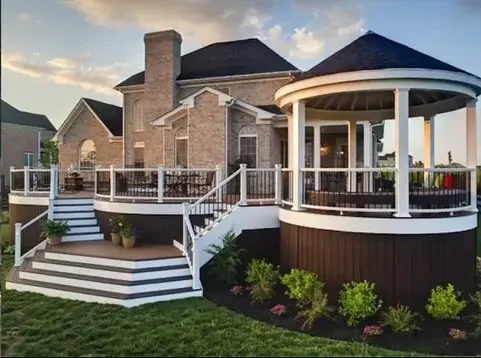
Custom Homes
New construction in Boerum Hill is evaluated for compatibility with the surrounding Italianate Brownstone streetscape — a process JMR manages from design development through certificate of occupancy.
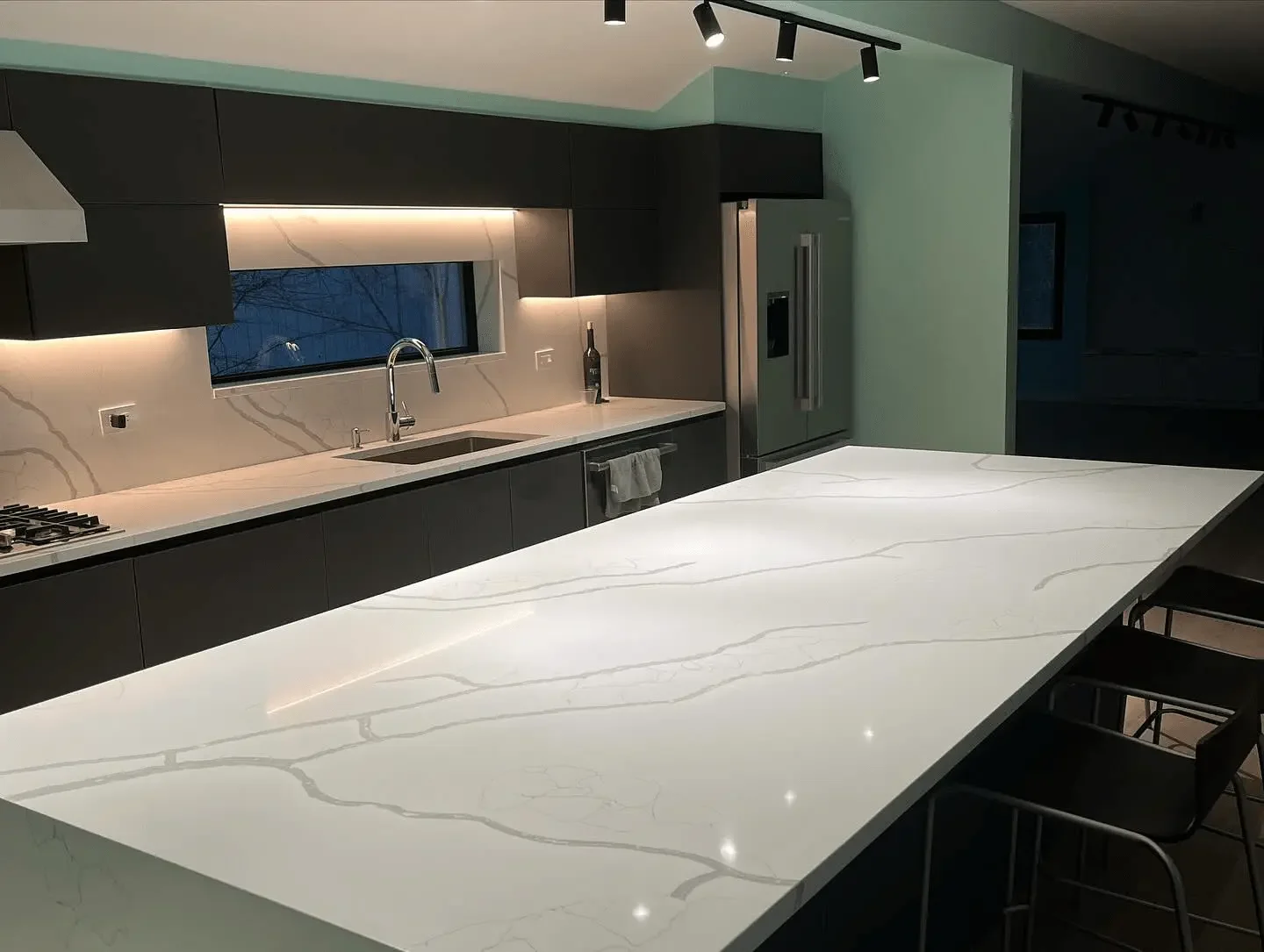
Kitchen Remodeling
Kitchen renovations in Boerum Hill typically involve working within Italianate Brownstone structural layouts — preserving original millwork and ceiling heights while integrating modern appliances and MEP systems.
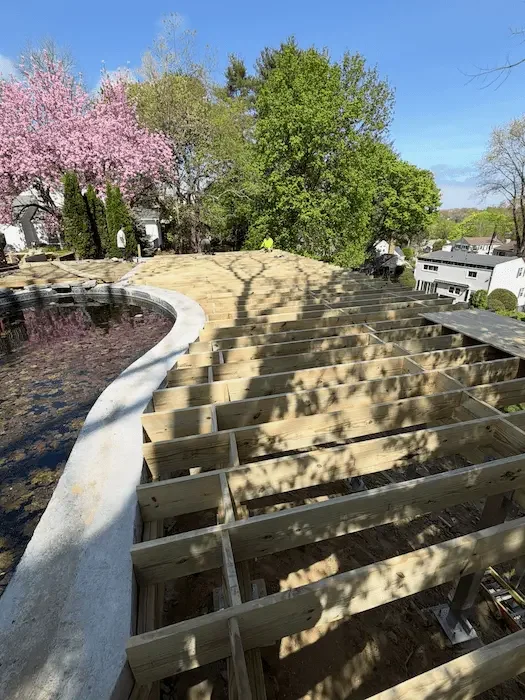
Roofing
Italianate Brownstone homes in Boerum Hill often feature steep pitches, dormers, and period materials — slate, cedar shake — that require experienced estimation and precise, material-matched execution.
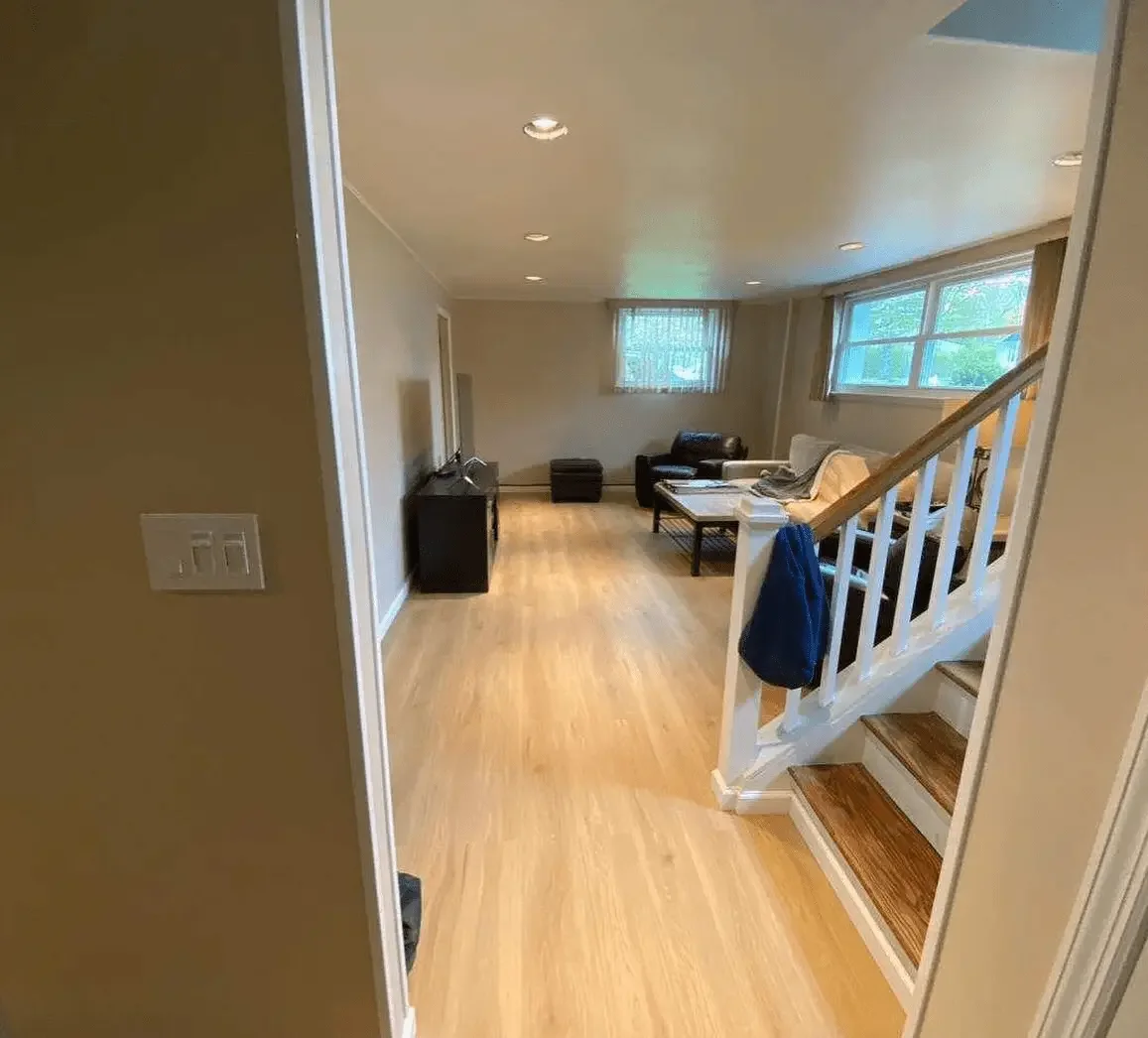
Home Remodeling
Full home renovations in Boerum Hill balance the original Italianate Brownstone character of the property against current code requirements and contemporary lifestyle expectations.
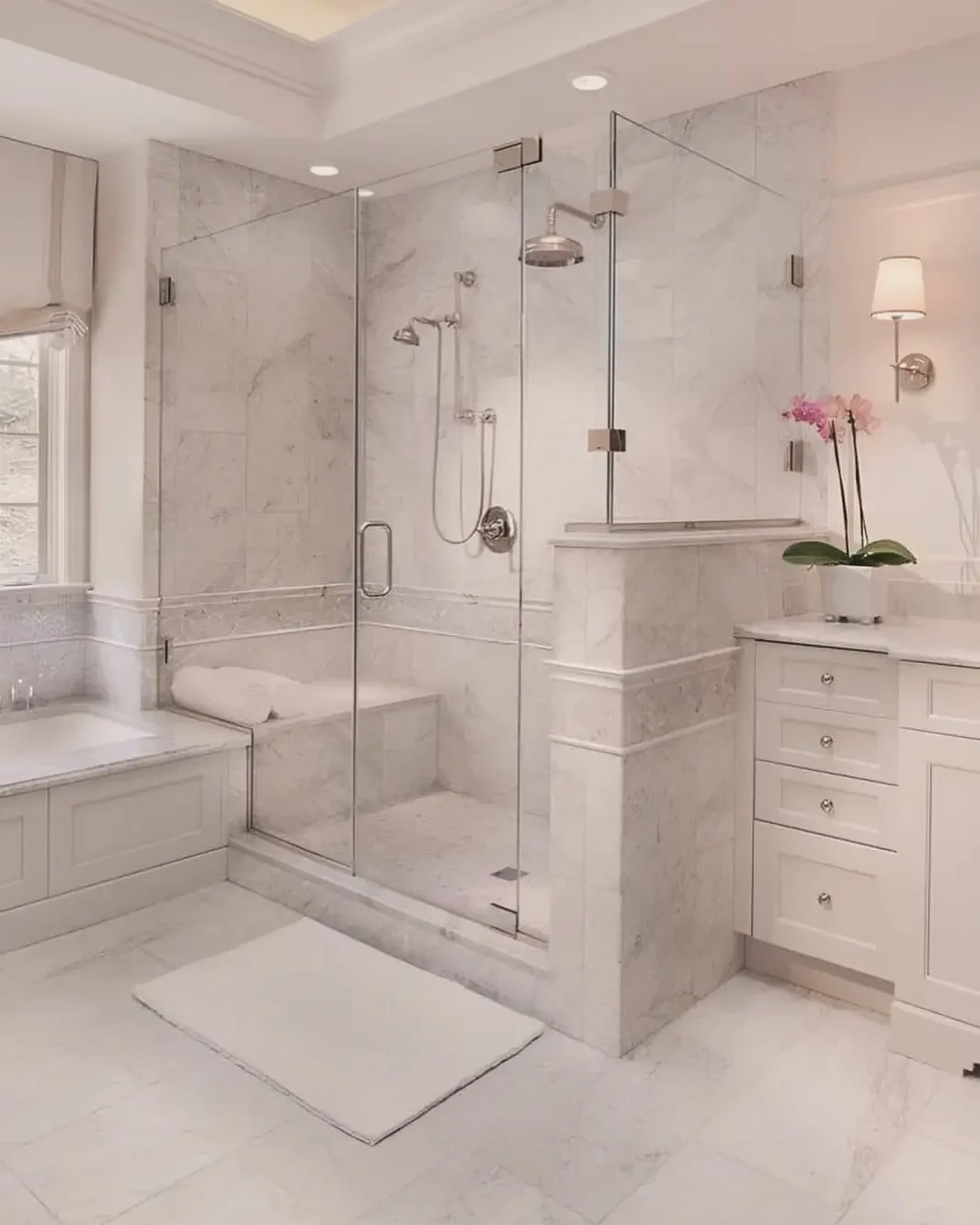
Bathroom Remodeling
Italianate Brownstone homes in Boerum Hill frequently feature original cast-iron fixtures and period tile configurations that require skilled hands to restore or sensitively replace.
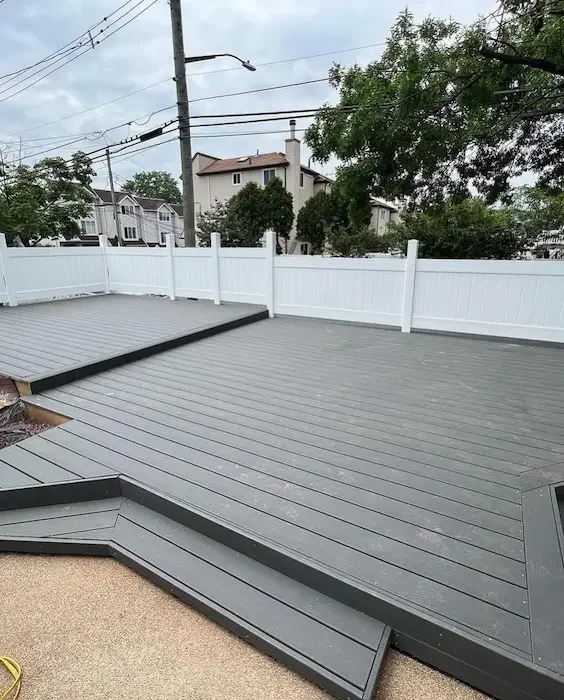
Deck Construction
Exterior additions in Boerum Hill require careful material selection and massing to complement the existing Italianate Brownstone profile of the home and satisfy local setback regulations.
Serving Boerum Hill homeowners across all six disciplines
View All Brooklyn LocationsVerified Reviews
What Brooklyn Homeowners Say
Excellent craftsmanship and quality. They worked quickly and with great attention to detail. The kitchen is beautiful — exactly what we envisioned. Absolutely recommended.
Mingo Montes
Kitchen Remodeling · October 2025
We had a complex job — load-bearing wall removal, custom island, full mechanical relocation. JMR managed the structural engineer, the cabinet shop, and the stone fabricator without us needing to coordinate anything. Came in on schedule. The kitchen is exactly what we specified.
Robert Chen
Kitchen Remodeling · August 2025
JMR gutted and rebuilt our master bath from the studs. They coordinated the plumber and electrician themselves — we had one contact for the entire project. The result is exactly what we approved in the specification. Clean site every day. No surprises at any stage.
James Morley
Bathroom Remodeling · June 2025
Permits & Process
Permitting in Boerum Hill
What You Need to Know
NYC Department of Buildings — Brooklyn Borough Office
Visit permit authority portalAll residential renovation work in Boerum Hill requiring structural, plumbing, electrical, or HVAC modifications must be filed with the NYC Department of Buildings through a DOB-registered architect or engineer. The Boerum Hill Historic District (LPC, 1973) requires a Certificate of Appropriateness for all exterior alterations visible from a public way. A particular permit complexity in Boerum Hill is the neighborhood's DOB BIS record: many brownstones on the primary residential blocks were converted from single-family to rooming house or SRO occupancy in the mid-20th century and reconverted to single-family in the 1980s and 1990s — creating CO amendment histories with open violations and prior alteration permits that must be fully researched before any new filing is prepared. Any work affecting party walls shared with adjacent rowhouses requires a structural engineering assessment and may require formal notification to adjoining owners under New York State law. JMR manages the DOB BIS research, CO classification review, open violation assessment, and LPC coordination as standard pre-construction work for every Boerum Hill project.
Historic District Considerations
The Boerum Hill Historic District (LPC, 1973) covers the Italianate and Neo-Grec brownstone rowhouse blocks of Pacific Street, Dean Street, Bergen Street, and adjacent streets between Court Street and 4th Avenue. Within the district, a Certificate of Appropriateness is required for all exterior alterations visible from a public way. Boerum Hill's brownstones are a somewhat more heterogeneous mix than the concentrated Romanesque Revival blocks of Park Slope, including Federal-era rowhouses on some blocks alongside the more typical 1860s–1880s Italianate and Neo-Grec buildings — and the LPC's character guidelines address this variety of period types. JMR prepares CofA applications and coordinates with LPC for all exterior alterations within the Boerum Hill Historic District.
How JMR Manages It
-
Consultation & Site Assessment
On-site review of existing conditions, structural constraints, and project scope. Preliminary permit pathway identified.
-
Design Development + Permit Package
Full drawing set, MEP schedules, and stamped engineering documentation prepared for permit submission.
-
Agency Review
Permit processing with the NYC Department of Buildings — Brooklyn Borough Office — inclusive of any required historic review board approval.
-
Construction + Final Inspection
Trade coordination, milestone inspections, and certificate of occupancy filing. Full documentation package delivered at handover.
Common Questions
Boerum Hill,
Answered.
Permit timelines, material considerations, and what to expect from a project in Boerum Hill.
Ask Us DirectlyWhat permits are required for a home renovation in Boerum Hill, NY?
All residential renovation work in Boerum Hill requiring structural, plumbing, electrical, or HVAC modifications must be filed with the NYC Department of Buildings through a DOB-registered architect or engineer. The Boerum Hill Historic District (LPC, 1973) requires a Certificate of Appropriateness for all exterior alterations visible from a public way. A particular permit complexity in Boerum Hill is the neighborhood's DOB BIS record: many brownstones on the primary residential blocks were converted from single-family to rooming house or SRO occupancy in the mid-20th century and reconverted to single-family in the 1980s and 1990s — creating CO amendment histories with open violations and prior alteration permits that must be fully researched before any new filing is prepared. Any work affecting party walls shared with adjacent rowhouses requires a structural engineering assessment and may require formal notification to adjoining owners under New York State law. JMR manages the DOB BIS research, CO classification review, open violation assessment, and LPC coordination as standard pre-construction work for every Boerum Hill project.
How does Boerum Hill Historic District (LPC — designated 1973) affect renovation permits in Boerum Hill?
The Boerum Hill Historic District (LPC, 1973) covers the Italianate and Neo-Grec brownstone rowhouse blocks of Pacific Street, Dean Street, Bergen Street, and adjacent streets between Court Street and 4th Avenue. Within the district, a Certificate of Appropriateness is required for all exterior alterations visible from a public way. Boerum Hill's brownstones are a somewhat more heterogeneous mix than the concentrated Romanesque Revival blocks of Park Slope, including Federal-era rowhouses on some blocks alongside the more typical 1860s–1880s Italianate and Neo-Grec buildings — and the LPC's character guidelines address this variety of period types. JMR prepares CofA applications and coordinates with LPC for all exterior alterations within the Boerum Hill Historic District.
How does JMR approach full renovations of Boerum Hill brownstones with complex DOB BIS histories from the neighborhood's rooming house conversion period?
Many Boerum Hill brownstones carry a DOB Building Information System record reflecting the neighborhood's mid-20th-century period of disinvestment — when single-family rowhouses were converted to rooming house or SRO occupancy — and the subsequent reconversion to single-family use in the 1970s through 1990s. This history creates a permit and CO amendment record that must be fully researched before any new DOB filing is prepared. Common findings include: open violations from the conversion or reconversion period that are no longer visible in the finished building but remain on record and must be resolved in the new filing; CO classifications that may not accurately reflect the current use of the building; prior alteration permits with incomplete or inconsistent scope descriptions; and structural modifications from the conversion period — new partition walls, floor penetrations, abandoned plumbing riser locations — that exist in the building fabric without a corresponding permit record. JMR's Boerum Hill project process begins with a complete DOB BIS research review covering the CO history, all prior permits and their final inspection status, and all open violations, before any pre-construction assessment visit is scheduled. Findings from the BIS research are presented to the owner with recommended resolution strategies before any renovation scope is proposed.
What is the permit process for a kitchen renovation in a Boerum Hill brownstone, and what pre-construction investigation is required?
Kitchen renovations in Boerum Hill brownstones that involve plumbing, electrical, or structural modifications require a DOB building permit filed by a DOB-registered architect or engineer. Before the permit application is prepared, JMR conducts a DOB BIS research review to identify any open violations on the property — particularly those related to prior kitchen or bathroom work from the building's conversion or reconversion history — since open violations must be addressed in the new filing. The pre-construction assessment then documents the existing kitchen drain configuration, the position of the building's main stack, the available floor joist depth for new drain routing, and the electrical panel capacity for new circuit additions. In Boerum Hill brownstones with conversion-period improvised plumbing, the existing drain routing may not be in the location suggested by the original building plan; JMR's assessment documents actual existing conditions — not assumed original conditions — before any kitchen layout is proposed.
Has JMR Construction completed projects in Boerum Hill before?
JMR has completed 7 projects in Boerum Hill — including full brownstone gut renovations with DOB BIS open violation resolution, LPC Certificate of Appropriateness coordination for facade restoration, and complete mechanical system replacements in buildings with complex conversion-period histories — with all permits filed through the NYC Department of Buildings Brooklyn Borough Office.
Nearby Communities We Serve
View All Brooklyn Towns →Begin Your Project
Let's Build Something
Worth Inheriting.
Custom homes and full renovations from $150,000 — across Westchester County, Rockland, and NYC. A limited number of engagements accepted each year.
Request a Private ConsultationOr call us directly: (646) 581-0754
No commitment required · No unsolicited follow-up · Your project details stay between us