
General Contractor
in Westerleigh, NY
Westerleigh carries one of the most distinctive origin stories of any New York City neighborhood — a residential community that began in 1887 as Prohibition Park, a planned temperance resort…
The Architecture of Westerleigh
Craftsman Bungalow · Colonial Revival
Primary Styles
1890s–1940s
Built Era
Westerleigh’s residential fabric is defined by Craftsman Bungalow and Colonial Revival construction — a concentrated stock of homes built primarily between 1890s–1940s. At an average of 1,800 sq ft on lots ranging 0.08–0.20 acres, these properties set a high bar for material quality and construction precision.
Westerleigh carries one of the most distinctive origin stories of any New York City neighborhood — a residential community that began in 1887 as Prohibition Park, a planned temperance resort developed by the National Prohibition Alliance on land purchased in central Staten Island for annual Chautauqua-style summer assemblies. The original community plan — residential lots arranged around a central assembly ground and park — gave the neighborhood its slightly irregular street pattern and its community-oriented spatial logic, and the temperance colony identity left a cultural residue of civic pride and community cohesion that has persisted through the neighborhood's subsequent evolution from summer resort to year-round residential community. The homes that were built across the Prohibition Park lots from the 1890s through the 1930s reflect the residential design vocabulary of those decades in the Craftsman, Dutch Colonial, Colonial Revival, and Foursquare styles — wood-frame buildings of modest scale, typically 1,600 to 2,200 square feet, with original clapboard or shingle siding, front porches of varying configurations, and interior woodwork of the Craftsman period that distinguishes the quality of the original construction. What makes Westerleigh exceptional is the degree to which this early 20th-century character has been maintained: the neighborhood's Craftsman bungalows and Dutch Colonial homes are among the most consistently intact examples of their period on Staten Island, and renovation work in Westerleigh engages this original fabric with the respect the quality of its construction warrants.
JMR has completed projects within reach of Westerleigh Park (neighborhood central green), Prohibition Park original assembly grounds (historic site of National Prohibition Alliance summer assemblies, 1887 onward), Richmond Avenue corridor (early 20th-century commercial character).
Westerleigh occupies central Staten Island between the Staten Island Expressway to the north, Richmond Avenue to the east, and the Willowbrook Park corridor to the west. The neighborhood's residential blocks were laid out as part of the original Prohibition Park planned community in the 1880s, giving the street grid a slightly irregular character compared to the standard suburban grid of the surrounding mid-island neighborhoods. The Staten Island Greenbelt's Willowbrook section provides passive recreation access from the neighborhood's western approach. The Staten Island Expressway connects the neighborhood to the Verrazano-Narrows Bridge and the West Shore Expressway.
Our Approach in Westerleigh
Westerleigh's Craftsman, Foursquare, and Colonial Revival homes were built primarily between the 1890s and the 1940s in the wood-frame construction practices of that period — balloon or early platform framing in old-growth species, original plaster on wood lath at interior surfaces, and original wide-plank floors in Douglas fir or yellow pine at the primary living levels. The Craftsman bungalows of the 1910s and 1920s — the most common building type on the neighborhood's residential streets — were designed with an attention to interior woodwork and built-in cabinetry that reflects the Arts and Crafts period's commitment to craft over ornament: original built-in china cabinets in the dining rooms, original window seats with storage below in the living areas, original wood trim of consistent profile throughout, and original hardware at doors and windows. The renovation challenge in these homes is preserving this original Craftsman fabric while updating the building's mechanical systems and spatial configuration to contemporary living standards. The original drain systems in Westerleigh Craftsman homes are at or past end of service life; electrical service is typically insufficient for contemporary circuit loads; and the original plaster on wood lath, though often in good condition in well-maintained homes, requires careful assessment before any scope that could disturb it is proposed. JMR's pre-construction assessment for Westerleigh Craftsman homes documents the original fabric condition — the state of the built-in woodwork, the plaster, the original floors, and the exterior cladding — before any renovation scope is proposed.
$750,000
Median Home Value
0.08–0.20
Lot Size (acres)
Track Record in Westerleigh
JMR has completed 6 projects in Westerleigh — including full gut renovations of Craftsman bungalows retaining original built-in cabinetry and wood trim, kitchen renovations navigating original Craftsman floor plan constraints and galvanized drain replacement, primary suite additions within the permitted zoning envelope on mid-island lots, and Dutch Colonial home renovations with complete mechanical system replacement — with all permits filed through the NYC Department of Buildings Staten Island Borough Office.
Our Services
Six Disciplines.
Built for Westerleigh.
Every project in Westerleigh is delivered by the same dedicated JMR team — from permit application through certificate of occupancy. One integrated team. Zero subcontracted surprises.
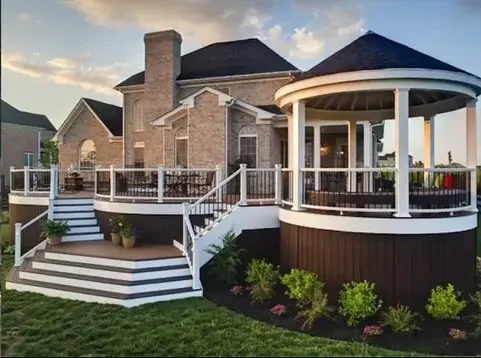
Custom Homes
New construction in Westerleigh is evaluated for compatibility with the surrounding Craftsman Bungalow streetscape — a process JMR manages from design development through certificate of occupancy.
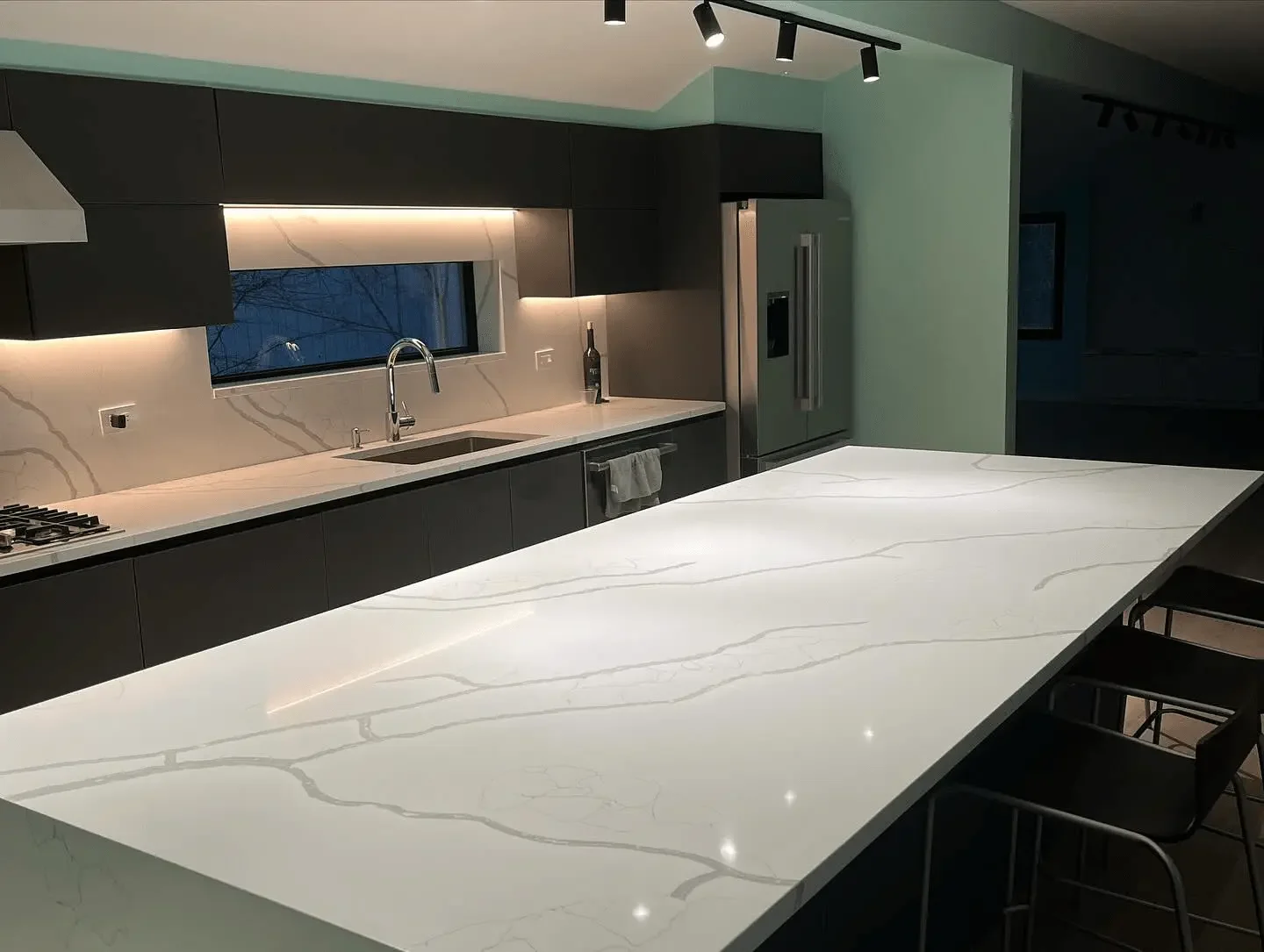
Kitchen Remodeling
Kitchen renovations in Westerleigh typically involve working within Craftsman Bungalow structural layouts — preserving original millwork and ceiling heights while integrating modern appliances and MEP systems.
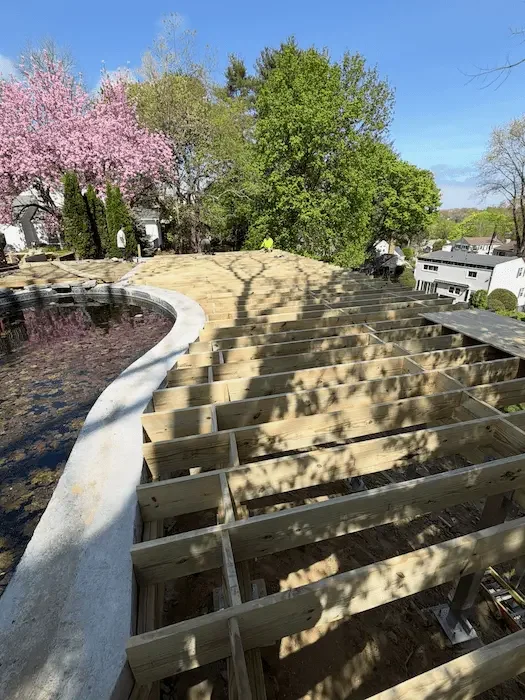
Roofing
Craftsman Bungalow homes in Westerleigh often feature steep pitches, dormers, and period materials — slate, cedar shake — that require experienced estimation and precise, material-matched execution.
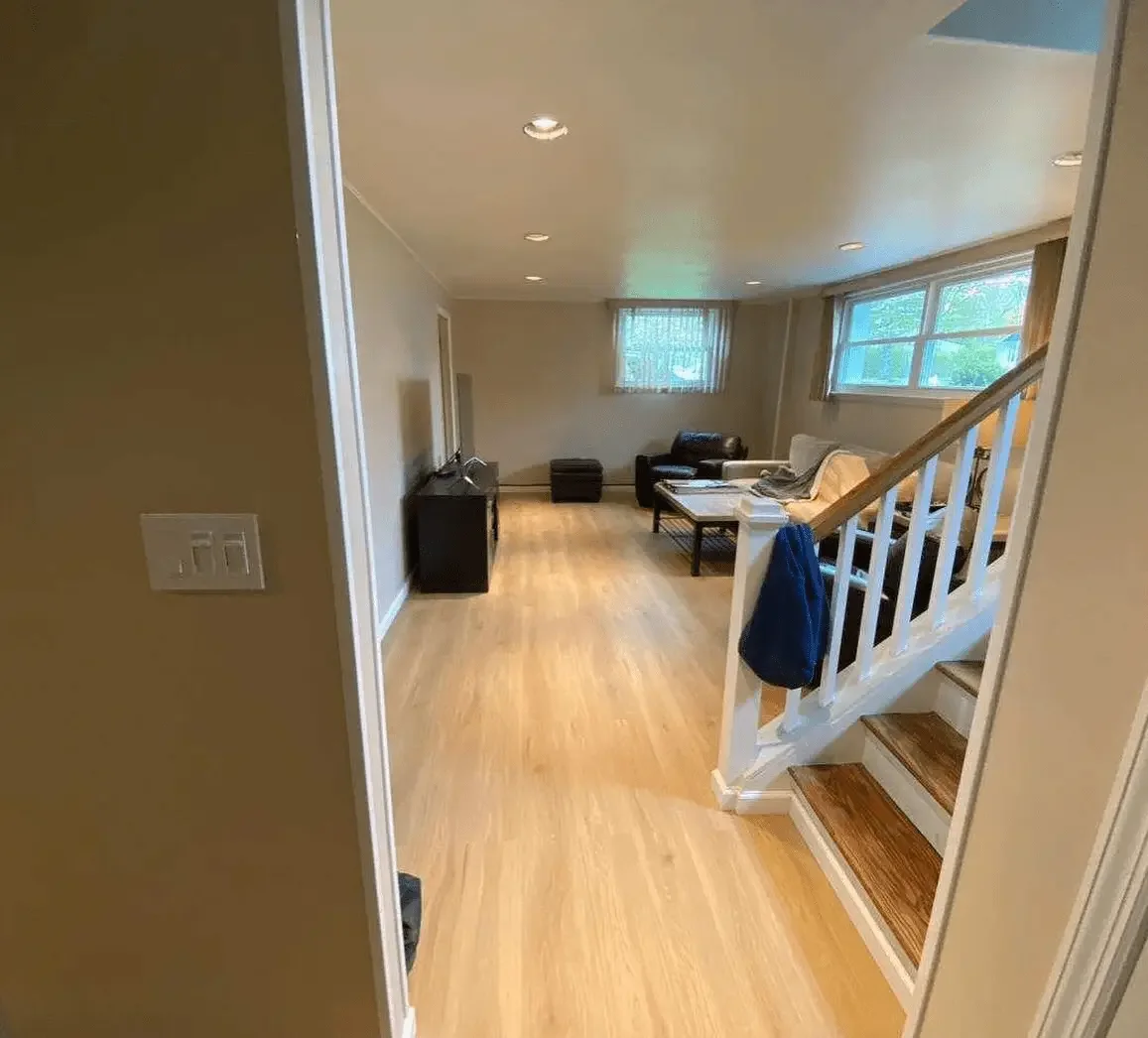
Home Remodeling
Full home renovations in Westerleigh balance the original Craftsman Bungalow character of the property against current code requirements and contemporary lifestyle expectations.
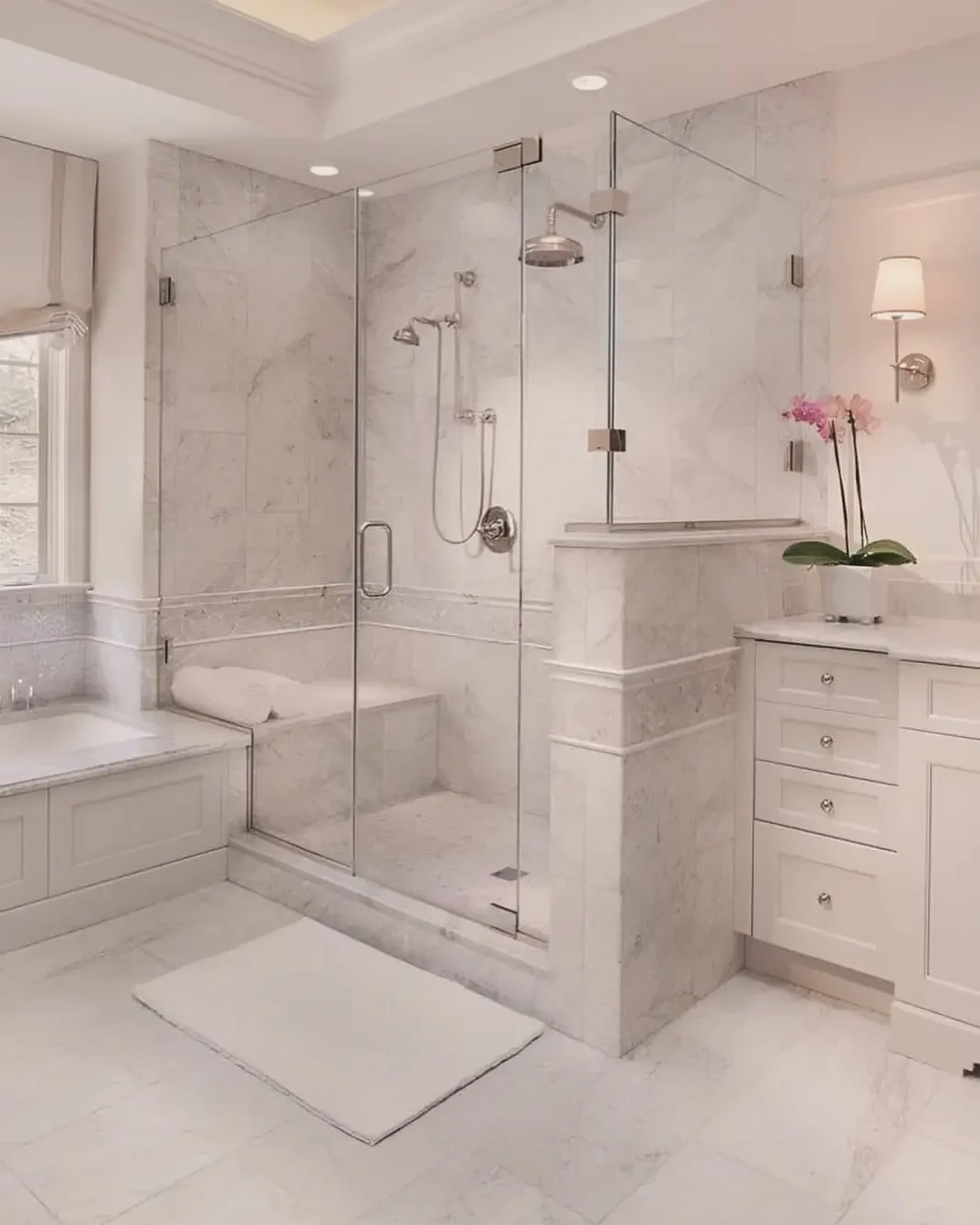
Bathroom Remodeling
Craftsman Bungalow homes in Westerleigh frequently feature original cast-iron fixtures and period tile configurations that require skilled hands to restore or sensitively replace.
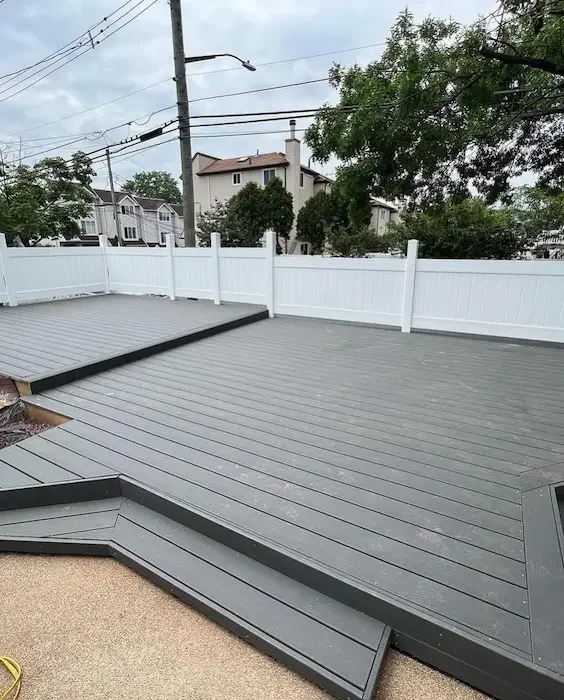
Deck Construction
Exterior additions in Westerleigh require careful material selection and massing to complement the existing Craftsman Bungalow profile of the home and satisfy local setback regulations.
Serving Westerleigh homeowners across all six disciplines
View All Staten Island LocationsVerified Reviews
What Staten Island Homeowners Say
Excellent craftsmanship and quality. They worked quickly and with great attention to detail. The kitchen is beautiful — exactly what we envisioned. Absolutely recommended.
Mingo Montes
Kitchen Remodeling · October 2025
We had a complex job — load-bearing wall removal, custom island, full mechanical relocation. JMR managed the structural engineer, the cabinet shop, and the stone fabricator without us needing to coordinate anything. Came in on schedule. The kitchen is exactly what we specified.
Robert Chen
Kitchen Remodeling · August 2025
JMR gutted and rebuilt our master bath from the studs. They coordinated the plumber and electrician themselves — we had one contact for the entire project. The result is exactly what we approved in the specification. Clean site every day. No surprises at any stage.
James Morley
Bathroom Remodeling · June 2025
Permits & Process
Permitting in Westerleigh
What You Need to Know
NYC Department of Buildings — Staten Island Borough Office
Visit permit authority portalAll residential renovation work in Westerleigh requiring structural, plumbing, electrical, or HVAC modifications must be filed with the NYC Department of Buildings through a DOB-registered architect or engineer. Westerleigh has no LPC Historic District designation — renovation and exterior alteration work proceeds through the DOB permit process without a parallel Landmarks review, though the neighborhood's remarkably intact early 20th-century Craftsman and Colonial Revival building stock has earned local historical recognition. The neighborhood was originally developed in the 1880s and 1890s as a planned temperance community — known as Prohibition Park — by the National Prohibition Alliance, which purchased land in central Staten Island for an annual Chautauqua-style summer assembly; the residential streets were platted as part of this original community plan, and their modest 50- to 60-foot lot widths and 100-foot depths reflect the planned community scale of that founding era. Renovation work in Westerleigh operates through the standard R3 and R4 residential zoning district DOB permit process for the applicable lot configuration. The Craftsman and Foursquare homes of the neighborhood — built primarily between the 1890s and the 1930s in wood-frame construction with original clapboard or shingle siding — carry the pre-construction investigation requirements of their building era: DOB BIS research for any open violations from prior renovation campaigns, structural assessment of original wood-frame framing before any load-bearing modification, and drain system evaluation before new plumbing connections are proposed. JMR conducts a full DOB BIS research review and pre-construction assessment for each Westerleigh project before any renovation scope is proposed.
0How JMR Manages It
-
Consultation & Site Assessment
On-site review of existing conditions, structural constraints, and project scope. Preliminary permit pathway identified.
-
Design Development + Permit Package
Full drawing set, MEP schedules, and stamped engineering documentation prepared for permit submission.
-
Agency Review
Permit processing with the NYC Department of Buildings — Staten Island Borough Office.
-
Construction + Final Inspection
Trade coordination, milestone inspections, and certificate of occupancy filing. Full documentation package delivered at handover.
Common Questions
Westerleigh,
Answered.
Permit timelines, material considerations, and what to expect from a project in Westerleigh.
Ask Us DirectlyWhat permits are required for a home renovation in Westerleigh, NY?
All residential renovation work in Westerleigh requiring structural, plumbing, electrical, or HVAC modifications must be filed with the NYC Department of Buildings through a DOB-registered architect or engineer. Westerleigh has no LPC Historic District designation — renovation and exterior alteration work proceeds through the DOB permit process without a parallel Landmarks review, though the neighborhood's remarkably intact early 20th-century Craftsman and Colonial Revival building stock has earned local historical recognition. The neighborhood was originally developed in the 1880s and 1890s as a planned temperance community — known as Prohibition Park — by the National Prohibition Alliance, which purchased land in central Staten Island for an annual Chautauqua-style summer assembly; the residential streets were platted as part of this original community plan, and their modest 50- to 60-foot lot widths and 100-foot depths reflect the planned community scale of that founding era. Renovation work in Westerleigh operates through the standard R3 and R4 residential zoning district DOB permit process for the applicable lot configuration. The Craftsman and Foursquare homes of the neighborhood — built primarily between the 1890s and the 1930s in wood-frame construction with original clapboard or shingle siding — carry the pre-construction investigation requirements of their building era: DOB BIS research for any open violations from prior renovation campaigns, structural assessment of original wood-frame framing before any load-bearing modification, and drain system evaluation before new plumbing connections are proposed. JMR conducts a full DOB BIS research review and pre-construction assessment for each Westerleigh project before any renovation scope is proposed.
How does JMR approach full renovations of Westerleigh Craftsman bungalows where the original built-in woodwork and interior millwork are worth preserving?
Westerleigh's Craftsman bungalows from the 1910s and 1920s were built with an interior woodwork quality that represents the period's commitment to craftsmanship — original built-in china cabinets, window seats, bookshelves, and wood trim of consistent profile throughout the principal rooms, all executed in species and with joinery methods no longer standard in residential construction. A full gut renovation in one of these homes requires a deliberate pre-construction decision about which original elements are worth preserving in place, which can be carefully removed and reinstalled, and which must be replaced because their condition is too deteriorated for repair. JMR's pre-construction assessment for Westerleigh Craftsman homes includes a room-by-room documentation of the existing built-in woodwork — photographing and measuring every piece, assessing its structural attachment to the building, and evaluating its condition — before any renovation scope is proposed. Elements that are in good condition and structurally sound can typically be masked and protected in place during the renovation; elements in the areas of most intensive work — kitchens, bathrooms, and mechanical chases — must be carefully removed and stored for reinstallation. The DOB permit covers all structural, plumbing, electrical, and HVAC modifications in the alteration application. JMR presents a complete pre-construction fabric assessment and protection plan before any demolition is scheduled.
What permits and layout constraints apply to kitchen renovations in Westerleigh Craftsman bungalows where the original kitchen is small by contemporary standards?
Craftsman bungalow kitchens in Westerleigh — typically positioned at the rear of the first floor, separated from the dining room by a pantry or a partial wall, and sized to the appliance standards of the 1910s and 1920s — are often 80 to 120 square feet with minimal counter depth and limited storage capacity by contemporary standards. Kitchen renovations in these homes frequently involve reconfiguring the relationship between the kitchen, the pantry, and the adjacent dining room to create a more open or better-connected cooking and dining space. This scope requires a DOB building permit; any removal of the pantry partition or the kitchen-to-dining wall requires structural documentation confirming the partition's non-structural status or specifying the header, post, and point-load support required if it carries floor or roof loads above. The existing drain system in a Westerleigh Craftsman kitchen — original galvanized iron at 90 to 110 years of age — is typically replaced in full as part of the kitchen renovation rather than extended with new connections, since the condition of original galvanized drain at this age rarely supports reliable new fitting connections. JMR's kitchen assessment documents the existing partition structural status, the drain configuration, and the feasibility of the proposed reconfiguration before any layout design is advanced.
Has JMR Construction completed projects in Westerleigh before?
JMR has completed 6 projects in Westerleigh — including full gut renovations of Craftsman bungalows retaining original built-in cabinetry and wood trim, kitchen renovations navigating original Craftsman floor plan constraints and galvanized drain replacement, primary suite additions within the permitted zoning envelope on mid-island lots, and Dutch Colonial home renovations with complete mechanical system replacement — with all permits filed through the NYC Department of Buildings Staten Island Borough Office.
Begin Your Project
Let's Build Something
Worth Inheriting.
Custom homes and full renovations from $150,000 — across Westchester County, Rockland, and NYC. A limited number of engagements accepted each year.
Request a Private ConsultationOr call us directly: (646) 581-0754
No commitment required · No unsolicited follow-up · Your project details stay between us