
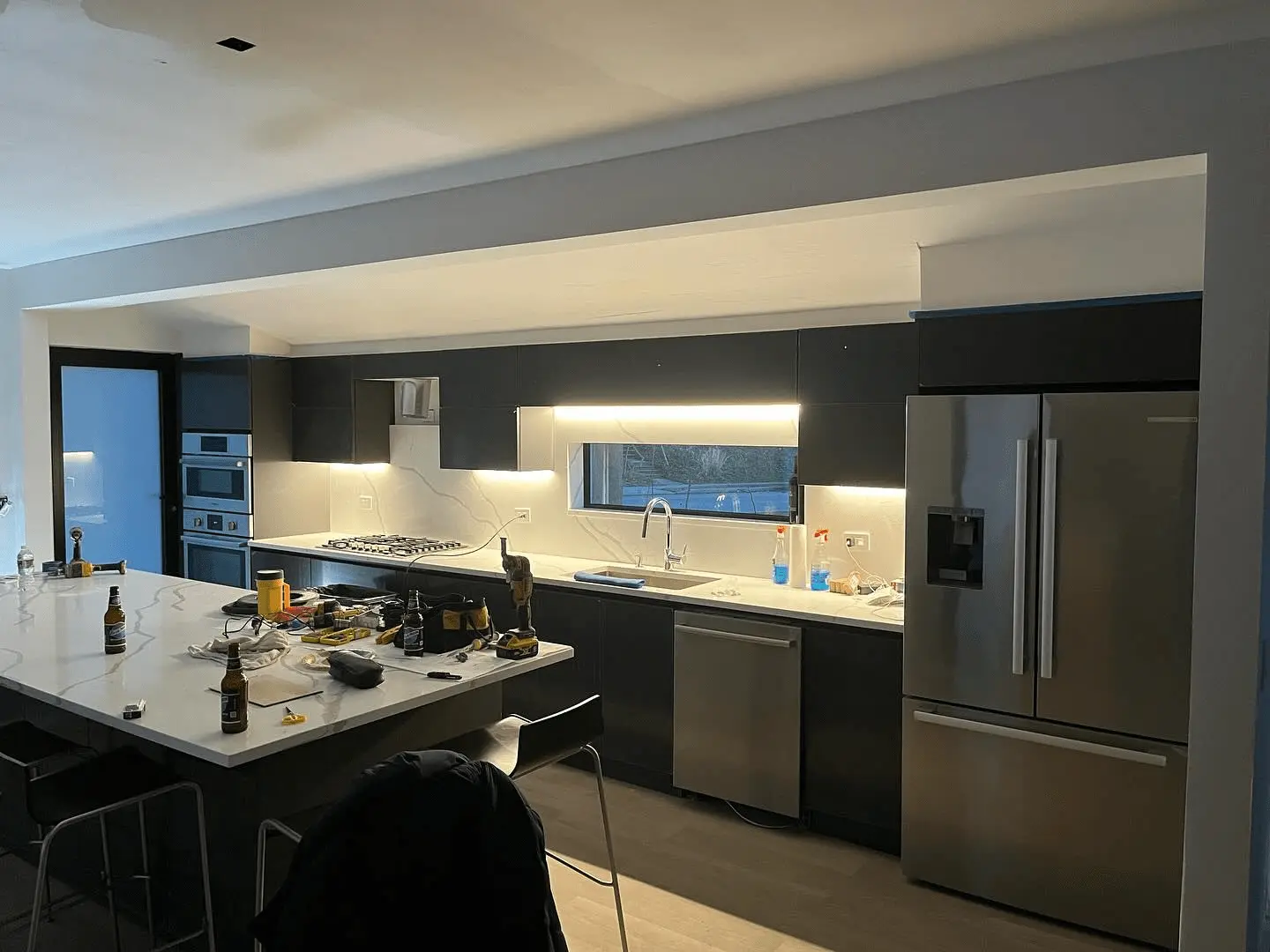
General Contractor
in Great Kills, NY
Great Kills is defined by its harbor — the protected tidal inlet of Great Kills Harbor that creates one of the most active recreational boating communities in New York City, sheltered from the open…
The Architecture of Great Kills
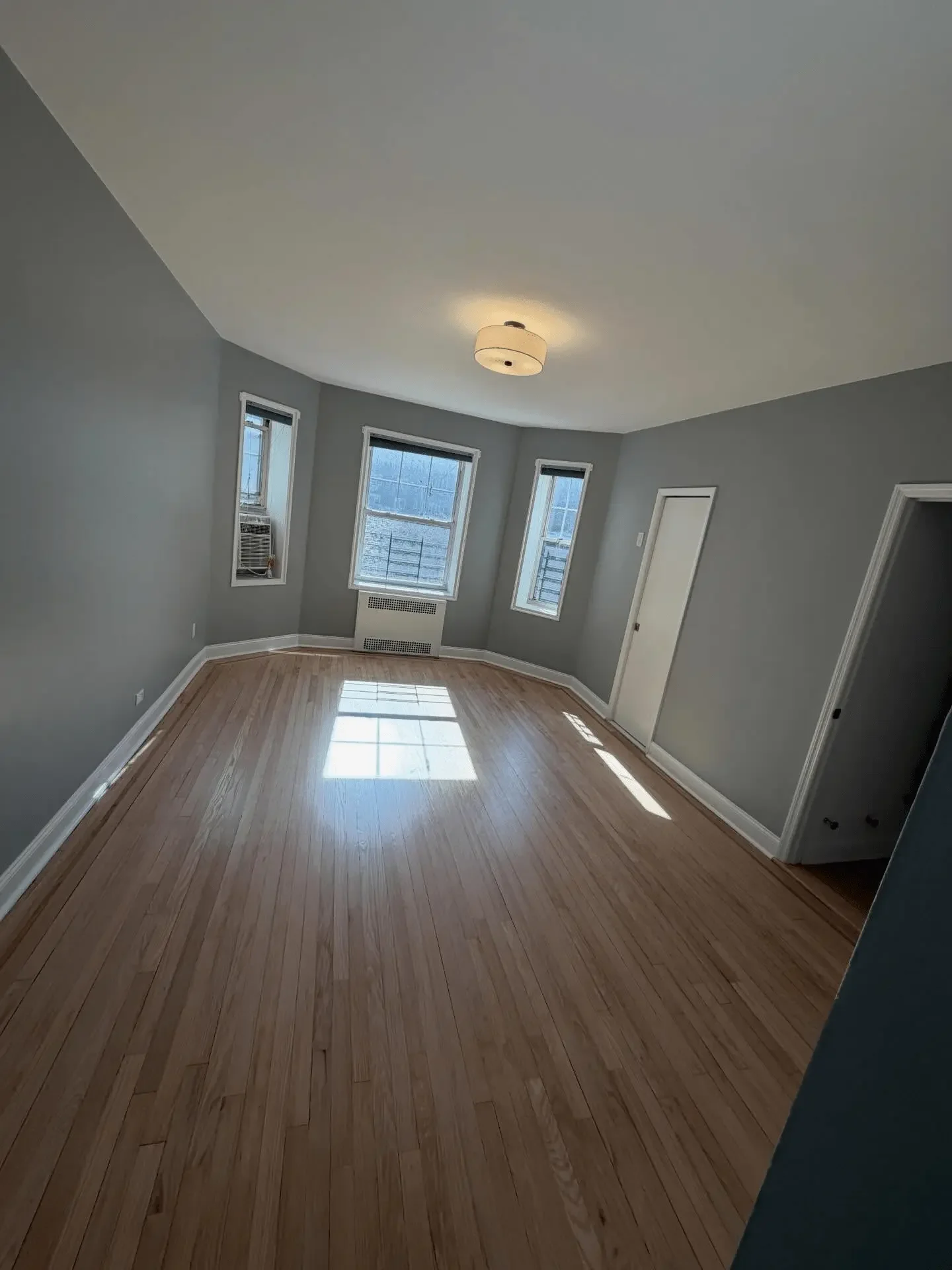
Cape Cod · Colonial Revival
Primary Styles
1940s–1970s
Built Era
Great Kills’s residential fabric is defined by Cape Cod and Colonial Revival construction — a concentrated stock of homes built primarily between 1940s–1970s. At an average of 1,600 sq ft on lots ranging 0.10–0.25 acres, these properties set a high bar for material quality and construction precision.
Great Kills is defined by its harbor — the protected tidal inlet of Great Kills Harbor that creates one of the most active recreational boating communities in New York City, sheltered from the open bay by the harbor's natural barrier beach and connected to the broader Lower New York Bay by a navigable inlet channel. The neighborhood's residential blocks develop outward from the harbor in a pattern that reflects the south shore's post-war suburban development: Cape Cod and Colonial Revival frame homes on lots of a tenth to a quarter of an acre, built predominantly in the 1940s through the 1960s for the suburban residential market that expanded across Staten Island's south shore following the opening of the Staten Island Expressway. Closer to the harbor's edges, the residential fabric includes some older Victorian-era frame homes from the neighborhood's turn-of-the-century development period — smaller, wood-frame structures with original clapboard and Craftsman porch details that predate the post-war expansion and give the harbor-adjacent blocks a slightly different character from the inland Cape Cod streets. Great Kills Park — the Gateway National Recreation Area unit that wraps the harbor's southern shoreline — puts a federal preserve at the neighborhood's edge and provides ocean beach and trail access within walking distance of the residential blocks. Renovation work in Great Kills engages the standard suburban permit process for the post-war inland homes and the additional coastal resilience considerations — FEMA flood zone compliance, DEC tidal wetland setbacks — for the harbor-adjacent properties.
JMR has completed projects within reach of Great Kills Harbor (recreational boating and marina community), Great Kills Park (Gateway National Recreation Area — federal NPS jurisdiction), Miller Field (Gateway National Recreation Area — former Army Air Service base).
Great Kills occupies the mid-section of Staten Island's south shore, centered on the Great Kills Harbor inlet — one of the largest recreational boating harbors in the New York City metropolitan area. The neighborhood extends from Amboy Road north to Huguenot Avenue, and from the harbor east to Hylan Boulevard. It is served by the Staten Island Railway at the Great Kills station. Great Kills Park, part of the Gateway National Recreation Area, occupies the harbor's southern shoreline and provides ocean beach access on Lower New York Bay.
Our Approach in Great Kills
Great Kills' residential building stock spans two distinct construction periods with materially different renovation conditions. The post-war Cape Cod, Ranch, and Colonial Revival homes built between the 1940s and the 1970s — which constitute the majority of the neighborhood's residential fabric — are wood-frame or masonry veneer construction on concrete block or poured concrete foundations, built to the suburban building standards of their era: plaster or early drywall at interior surfaces, original galvanized drain systems at kitchen and bathroom locations, and electrical service sized for the appliance loads of the postwar period. These homes' renovation conditions are governed primarily by their building era: original galvanized drain systems that have corroded to varying degrees at kitchen and bathroom connections; electrical panels that are at or below the circuit capacity required for contemporary kitchen, laundry, and HVAC loads; and original plaster or early drywall at interior surfaces in condition that varies by maintenance history. The smaller Victorian-era wood-frame homes near the harbor reflect earlier construction conditions — original balloon framing, original plaster on wood lath, and coastal-exposure deterioration of exterior wood elements. The harbor-adjacent properties' flood zone designations add a regulatory dimension to renovation planning: any project approaching the substantial improvement threshold must be assessed against the current flood-zone elevation requirements before the renovation scope is finalized. JMR's pre-construction assessment documents building-era conditions, flood zone classification, and the substantial improvement threshold relationship for each Great Kills project before any renovation scope is proposed.
$750,000
Median Home Value
0.10–0.25
Lot Size (acres)
Track Record in Great Kills
JMR has completed 8 projects in Great Kills — including full gut renovations of post-war Cape Cod and Colonial Revival homes with complete mechanical system replacement, deck and outdoor structure projects addressing harbor-area flood zone requirements, kitchen and primary suite renovations in both post-war suburban and Victorian-era building types, and addition construction requiring zoning compliance review — with all permits filed through the NYC Department of Buildings Staten Island Borough Office.
Our Services
Six Disciplines.
Built for Great Kills.
Every project in Great Kills is delivered by the same dedicated JMR team — from permit application through certificate of occupancy. One integrated team. Zero subcontracted surprises.
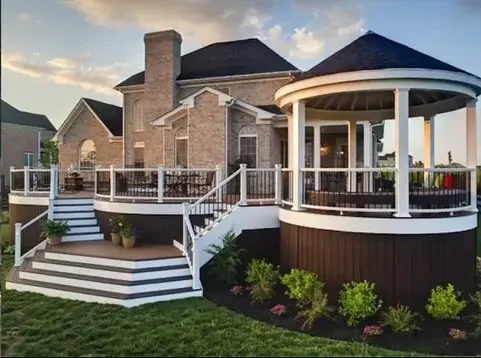
Custom Homes
New construction in Great Kills is evaluated for compatibility with the surrounding Cape Cod streetscape — a process JMR manages from design development through certificate of occupancy.
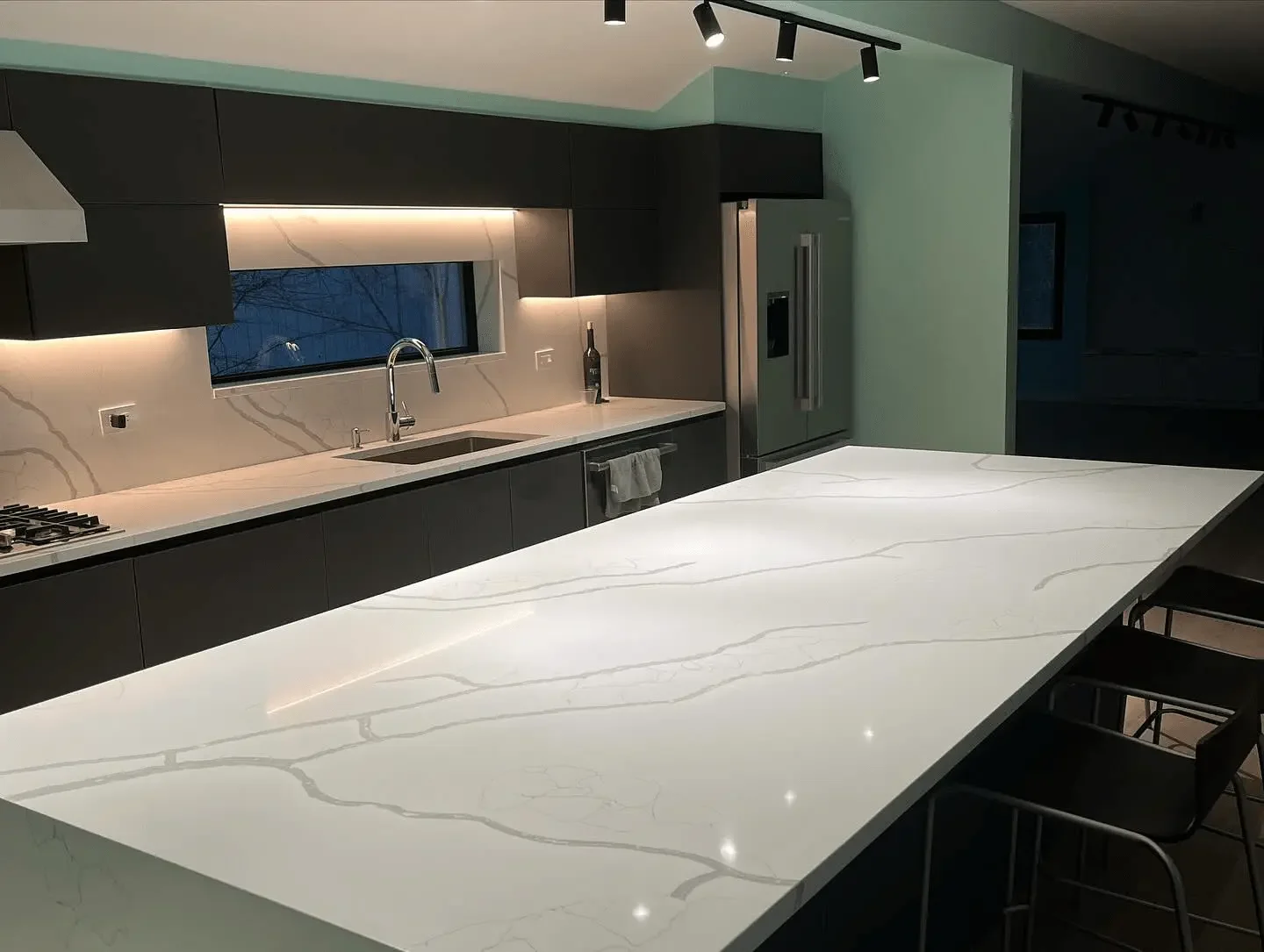
Kitchen Remodeling
Kitchen renovations in Great Kills typically involve working within Cape Cod structural layouts — preserving original millwork and ceiling heights while integrating modern appliances and MEP systems.
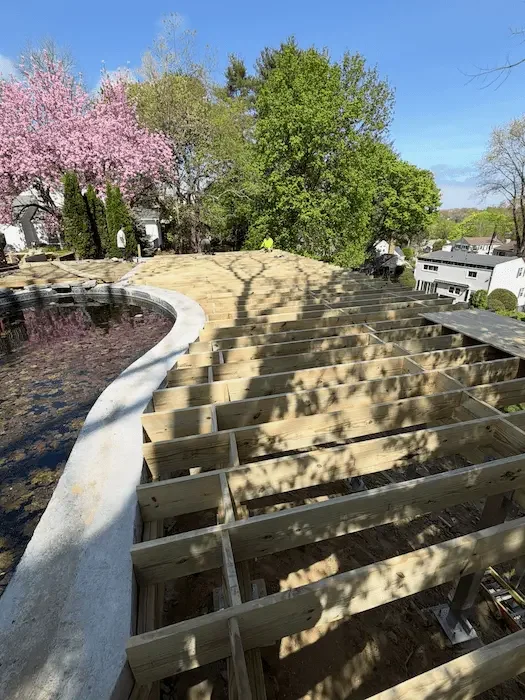
Roofing
Cape Cod homes in Great Kills often feature steep pitches, dormers, and period materials — slate, cedar shake — that require experienced estimation and precise, material-matched execution.
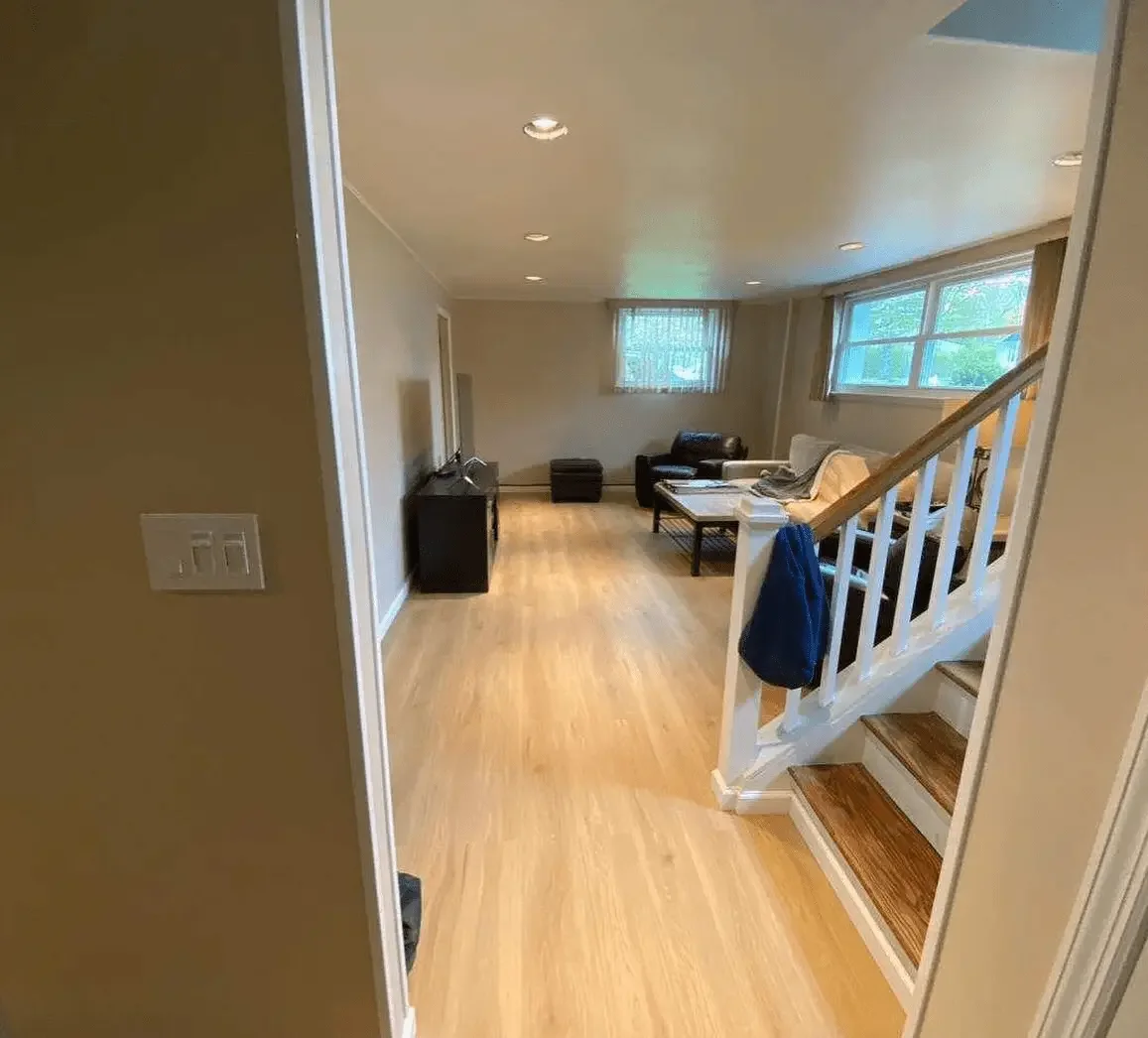
Home Remodeling
Full home renovations in Great Kills balance the original Cape Cod character of the property against current code requirements and contemporary lifestyle expectations.
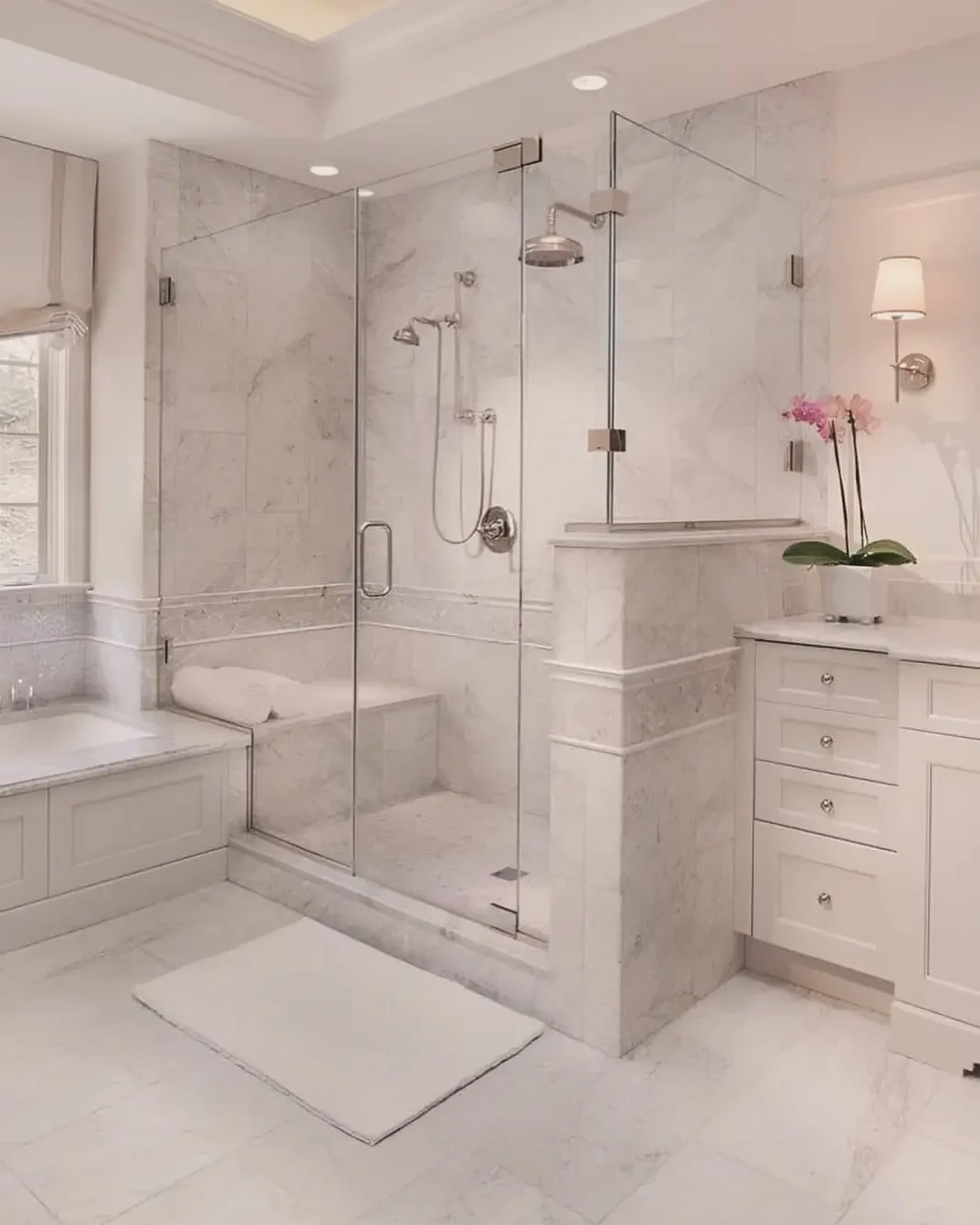
Bathroom Remodeling
Cape Cod homes in Great Kills frequently feature original cast-iron fixtures and period tile configurations that require skilled hands to restore or sensitively replace.
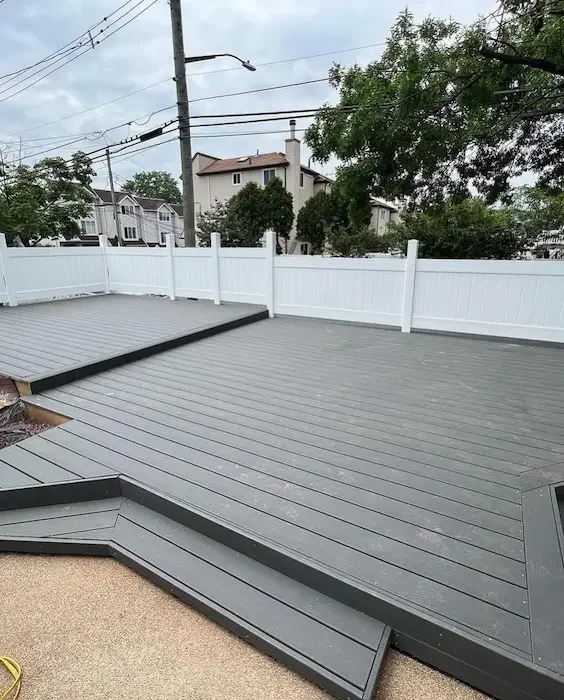
Deck Construction
Exterior additions in Great Kills require careful material selection and massing to complement the existing Cape Cod profile of the home and satisfy local setback regulations.
Serving Great Kills homeowners across all six disciplines
View All Staten Island LocationsVerified Reviews
What Staten Island Homeowners Say
Excellent craftsmanship and quality. They worked quickly and with great attention to detail. The kitchen is beautiful — exactly what we envisioned. Absolutely recommended.
Mingo Montes
Kitchen Remodeling · October 2025
We had a complex job — load-bearing wall removal, custom island, full mechanical relocation. JMR managed the structural engineer, the cabinet shop, and the stone fabricator without us needing to coordinate anything. Came in on schedule. The kitchen is exactly what we specified.
Robert Chen
Kitchen Remodeling · August 2025
JMR gutted and rebuilt our master bath from the studs. They coordinated the plumber and electrician themselves — we had one contact for the entire project. The result is exactly what we approved in the specification. Clean site every day. No surprises at any stage.
James Morley
Bathroom Remodeling · June 2025
Permits & Process
Permitting in Great Kills
What You Need to Know
NYC Department of Buildings — Staten Island Borough Office
Visit permit authority portalAll residential renovation work in Great Kills requiring structural, plumbing, electrical, or HVAC modifications must be filed with the NYC Department of Buildings through a DOB-registered architect or engineer. Great Kills has no LPC Historic District designation — renovation and addition work proceeds through the DOB permit process without a parallel landmarks review. The neighborhood's residential blocks are governed by R3-1, R3-2, and R4 zoning districts that set lot coverage maximums, building height limits, and setback requirements applicable to Cape Cod, Ranch, and Colonial Revival single-family homes. Rear additions, dormer additions, and deck construction require DOB-filed alteration permits demonstrating compliance with the applicable zoning setbacks and lot coverage. A significant permit complexity specific to Great Kills is the neighborhood's coastal position on Great Kills Harbor — a protected tidal inlet off Lower New York Bay that is the site of a major recreational boating community. Properties within the Great Kills Harbor vicinity are subject to FEMA flood zone designations; the NYC Flood Resilience Zoning Text Amendment (2021) governs substantial improvement thresholds for renovations in flood-zone-designated properties. Properties adjacent to the Great Kills Harbor shoreline or its tidal tributaries may require NYS DEC tidal wetland coordination for any scope involving grading within the regulated setback. Great Kills Park — part of the Gateway National Recreation Area under federal NPS jurisdiction — borders the neighborhood on the south; properties adjacent to the park boundary may have specific setback requirements from the federal preserve. JMR verifies the flood zone classification, applicable setbacks, and zoning lot coverage constraints at the initial site visit for all Great Kills projects.
0How JMR Manages It
-
Consultation & Site Assessment
On-site review of existing conditions, structural constraints, and project scope. Preliminary permit pathway identified.
-
Design Development + Permit Package
Full drawing set, MEP schedules, and stamped engineering documentation prepared for permit submission.
-
Agency Review
Permit processing with the NYC Department of Buildings — Staten Island Borough Office.
-
Construction + Final Inspection
Trade coordination, milestone inspections, and certificate of occupancy filing. Full documentation package delivered at handover.
Common Questions
Great Kills,
Answered.
Permit timelines, material considerations, and what to expect from a project in Great Kills.
Ask Us DirectlyWhat permits are required for a home renovation in Great Kills, NY?
All residential renovation work in Great Kills requiring structural, plumbing, electrical, or HVAC modifications must be filed with the NYC Department of Buildings through a DOB-registered architect or engineer. Great Kills has no LPC Historic District designation — renovation and addition work proceeds through the DOB permit process without a parallel landmarks review. The neighborhood's residential blocks are governed by R3-1, R3-2, and R4 zoning districts that set lot coverage maximums, building height limits, and setback requirements applicable to Cape Cod, Ranch, and Colonial Revival single-family homes. Rear additions, dormer additions, and deck construction require DOB-filed alteration permits demonstrating compliance with the applicable zoning setbacks and lot coverage. A significant permit complexity specific to Great Kills is the neighborhood's coastal position on Great Kills Harbor — a protected tidal inlet off Lower New York Bay that is the site of a major recreational boating community. Properties within the Great Kills Harbor vicinity are subject to FEMA flood zone designations; the NYC Flood Resilience Zoning Text Amendment (2021) governs substantial improvement thresholds for renovations in flood-zone-designated properties. Properties adjacent to the Great Kills Harbor shoreline or its tidal tributaries may require NYS DEC tidal wetland coordination for any scope involving grading within the regulated setback. Great Kills Park — part of the Gateway National Recreation Area under federal NPS jurisdiction — borders the neighborhood on the south; properties adjacent to the park boundary may have specific setback requirements from the federal preserve. JMR verifies the flood zone classification, applicable setbacks, and zoning lot coverage constraints at the initial site visit for all Great Kills projects.
What is the full renovation permit process for a Great Kills Cape Cod or Colonial Revival home, and how does the flood zone designation affect the scope?
Full gut renovations of Great Kills post-war homes — Cape Cod, Ranch, and Colonial Revival frame construction — require a DOB building permit filed by a DOB-registered architect or engineer with complete construction documents for all structural, plumbing, electrical, and HVAC modifications. For properties within FEMA-designated Special Flood Hazard Areas in the Great Kills Harbor vicinity, the renovation scope must be evaluated against the NYC Flood Resilience Zoning Text Amendment's substantial improvement threshold before the permit application is filed: if the total renovation cost exceeds 50% of the building's pre-improvement market value, the project is classified as a substantial improvement and the building must be brought into compliance with current first-floor elevation requirements for the applicable flood zone. JMR verifies the property's current FIRM flood zone classification, the Department of Finance assessed value, and the estimated renovation cost relative to the substantial improvement threshold at the project's outset — before the design phase begins — so that any elevation compliance requirements can be incorporated into the design rather than discovered mid-permit-process. For properties not within flood zone designations, or where the renovation scope falls below the substantial improvement threshold, the renovation proceeds through the standard DOB alteration permit process.
What permit requirements and flood zone considerations apply to deck construction in Great Kills, particularly for harbor-adjacent properties?
Deck construction on Great Kills residential properties requires a DOB building permit with structural drawings and a site plan demonstrating compliance with the applicable residential zoning district's setback and lot coverage requirements. For properties within the Great Kills Harbor flood zone — FEMA-designated Special Flood Hazard Areas along the harbor's residential edges — deck construction must comply with the NYC Flood Resilience Zoning Text Amendment requirements for accessory structures in flood zones. An open-below deck (without enclosed space below the deck surface) in a flood zone AE property may be constructed at or near grade in many configurations without triggering first-floor elevation requirements for the deck itself, provided the primary building's compliance status is not affected. An enclosed space below a new deck in a flood zone generally requires elevation compliance. For properties adjacent to the harbor's tidal shoreline, NYS DEC tidal wetland regulations impose a setback from the edge of the tidal wetland — typically 75 feet from the wetland boundary — within which deck construction requires a DEC Tidal Wetlands permit in addition to the DOB building permit. JMR verifies the flood zone classification, tidal wetland boundary, and applicable setbacks before any harbor-adjacent deck design is proposed.
Has JMR Construction completed projects in Great Kills before?
JMR has completed 8 projects in Great Kills — including full gut renovations of post-war Cape Cod and Colonial Revival homes with complete mechanical system replacement, deck and outdoor structure projects addressing harbor-area flood zone requirements, kitchen and primary suite renovations in both post-war suburban and Victorian-era building types, and addition construction requiring zoning compliance review — with all permits filed through the NYC Department of Buildings Staten Island Borough Office.
Begin Your Project
Let's Build Something
Worth Inheriting.
Custom homes and full renovations from $150,000 — across Westchester County, Rockland, and NYC. A limited number of engagements accepted each year.
Request a Private ConsultationOr call us directly: (646) 581-0754
No commitment required · No unsolicited follow-up · Your project details stay between us