
General Contractor
in St. George, NY
St. George is the most topographically dramatic neighborhood on Staten Island — a community built on the steep hillside above the ferry terminal, where residential streets climb from the waterfront…
The Architecture of St. George
Victorian Frame · Queen Anne
Primary Styles
1880s–1920s
Built Era
St. George’s residential fabric is defined by Victorian Frame and Queen Anne construction — a concentrated stock of homes built primarily between 1880s–1920s. At an average of 1,700 sq ft on lots ranging 0.04–0.12 acres, these properties set a high bar for material quality and construction precision.
St. George is the most topographically dramatic neighborhood on Staten Island — a community built on the steep hillside above the ferry terminal, where residential streets climb from the waterfront civic core at nearly 10 to 20 percent grades, and where individual lots drop 20 to 40 feet in elevation between the uphill and downhill property lines. This topography defines everything about the renovation context: retaining walls that hold the hillside stable are as much a part of the built environment as the houses themselves; lot configurations that are 40 feet wide but descend sharply from street to rear line create building footprints of a different geometry from the flat suburban lots of the south shore; and the views from the upper residential blocks — across the Kill Van Kull toward Bayonne and the Newark Bay, and in clear conditions toward the Manhattan skyline — are the most dramatic available from any residential address in the borough. The Victorian and Edwardian homes on the hillside above the ferry terminal were built during St. George's development peak in the 1880s through the 1920s, when the ferry connection to Lower Manhattan made the north shore the most accessible part of Staten Island for the city's working professional classes. The building stock reflects that period's residential ambitions: Queen Anne and Colonial Revival frame houses of 1,500 to 2,200 square feet, built on steeply terraced lots, often with original wrap-around porches that provide a panoramic view platform, original interior woodwork of the late Victorian and Craftsman periods, and basements that open to the downhill grade as full above-grade floors. Renovation work in St. George engages the Victorian building conditions common to the period alongside the site-specific engineering requirements of the steep hillside — retaining wall assessment, foundation condition on sloped terrain, and the structural implications of any scope involving the grade-change across a typical St. George lot.
JMR has completed projects within reach of Richmond County Courthouse (Individual NYC Landmark — Carrère & Hastings, 1919), St. George Theatre (Individual NYC Landmark — Reinhard & Hofmeister, 1929), Staten Island Ferry Terminal (St. George Ferry Terminal — gateway to Manhattan).
St. George occupies the hillside above the Staten Island Ferry Terminal on the borough's north shore — the closest point on Staten Island to Manhattan, with a 25-minute ferry crossing to Whitehall Terminal in Lower Manhattan. The neighborhood's residential streets climb the hillside in a series of terraced blocks, with the Kill Van Kull tidal strait and the Bayonne Bridge visible from the upper ridgeline. The Staten Island Railway terminus and the ferry terminal are at the base of the hill; the Richmond County Courthouse and Borough Hall occupy the mid-slope civic core. St. George has emerged as a cultural destination, with the restored St. George Theatre and a growing concentration of restaurants and galleries along Bay Street.
Our Approach in St. George
St. George's Victorian and Edwardian homes were built primarily between the 1880s and the 1920s in wood-frame or early masonry construction practices specific to those decades — balloon or early platform framing in old-growth species, original plaster on wood lath at interior surfaces, original hardwood floors, and drain systems that have been modified across multiple prior renovation campaigns over a century of occupancy. The building conditions that distinguish St. George from the flat south shore neighborhoods are those that arise from the hillside topography: basements that are below grade on the uphill side and fully above grade on the downhill side, with finished rooms in conditions that combine below-grade waterproofing challenges with above-grade exterior exposure; retaining walls along the downhill property line or within the lot's terraced configuration that carry the soil load from the grade change and must be maintained in structural condition for the site to remain stable; and foundation conditions that reflect the hillside soil — fill, residual soil, and bedrock at varying depths depending on the property's position on the ridge. The DOB BIS records for St. George Victorian homes frequently reveal a renovation history spanning the full century of the neighborhood's residential evolution: multiple CO amendment filings, prior alteration permits in varying states of completion, and open violations that must be resolved before new permits are issued. JMR's pre-construction assessment for St. George projects includes a complete DOB BIS research review, a site-specific topographic and retaining wall condition assessment, and structural evaluation of the existing building framing before any renovation scope is proposed.
$650,000
Median Home Value
0.04–0.12
Lot Size (acres)
Track Record in St. George
JMR has completed 8 projects in St. George — including full Victorian home gut renovations with retaining wall structural assessment and reconstruction, below-grade level waterproofing and finish renovation in hillside basement configurations, kitchen and primary suite renovations requiring DOB BIS open violation resolution, and foundation engineering for structural modifications on sloped lot configurations — with all permits filed through the NYC Department of Buildings Staten Island Borough Office.
Our Services
Six Disciplines.
Built for St. George.
Every project in St. George is delivered by the same dedicated JMR team — from permit application through certificate of occupancy. One integrated team. Zero subcontracted surprises.

Custom Homes
New construction in St. George is evaluated for compatibility with the surrounding Victorian Frame streetscape — a process JMR manages from design development through certificate of occupancy.

Kitchen Remodeling
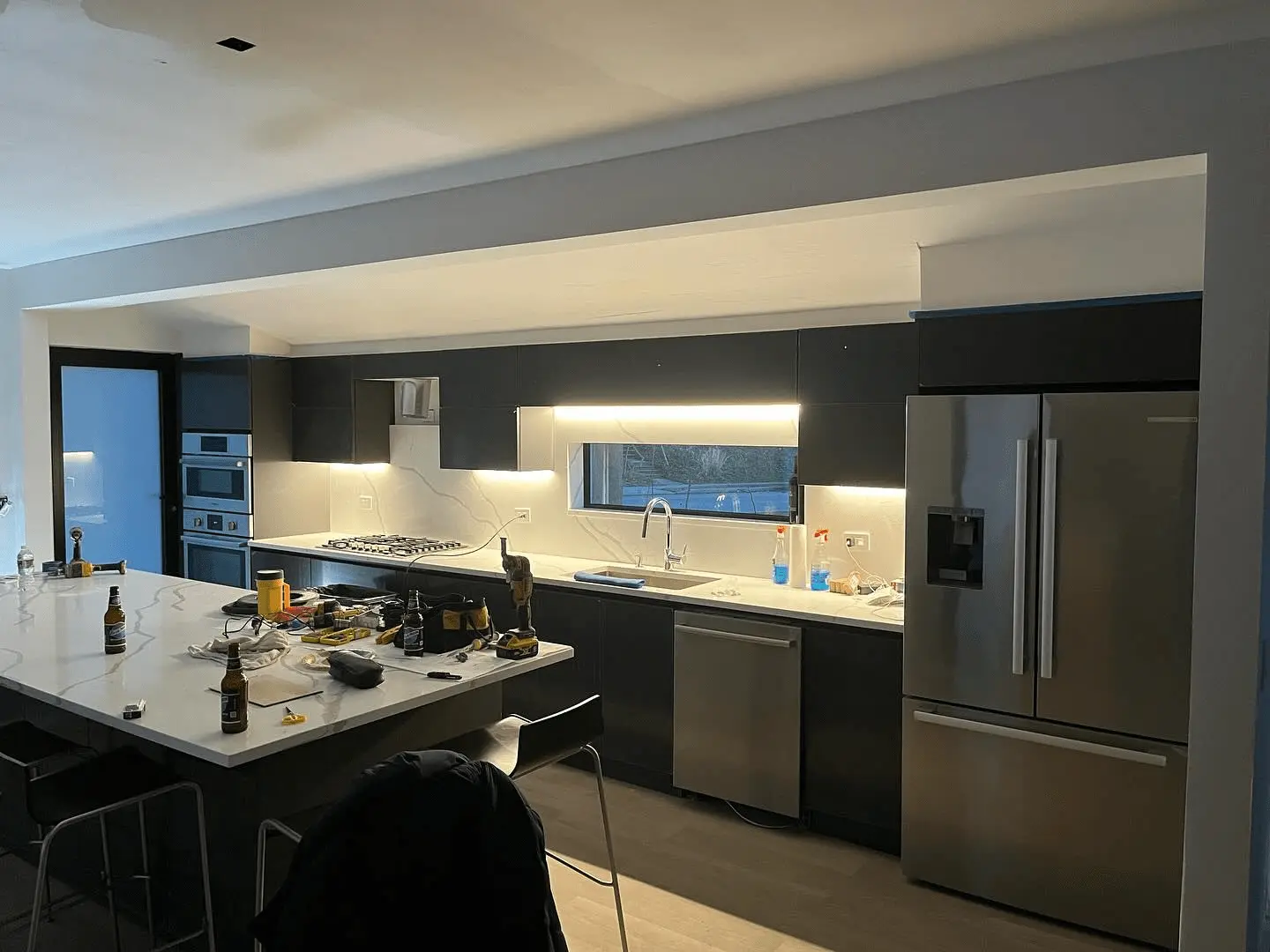
Kitchen renovations in St. George typically involve working within Victorian Frame structural layouts — preserving original millwork and ceiling heights while integrating modern appliances and MEP systems.
Roofing
Victorian Frame homes in St. George often feature steep pitches, dormers, and period materials — slate, cedar shake — that require experienced estimation and precise, material-matched execution.
Home Remodeling
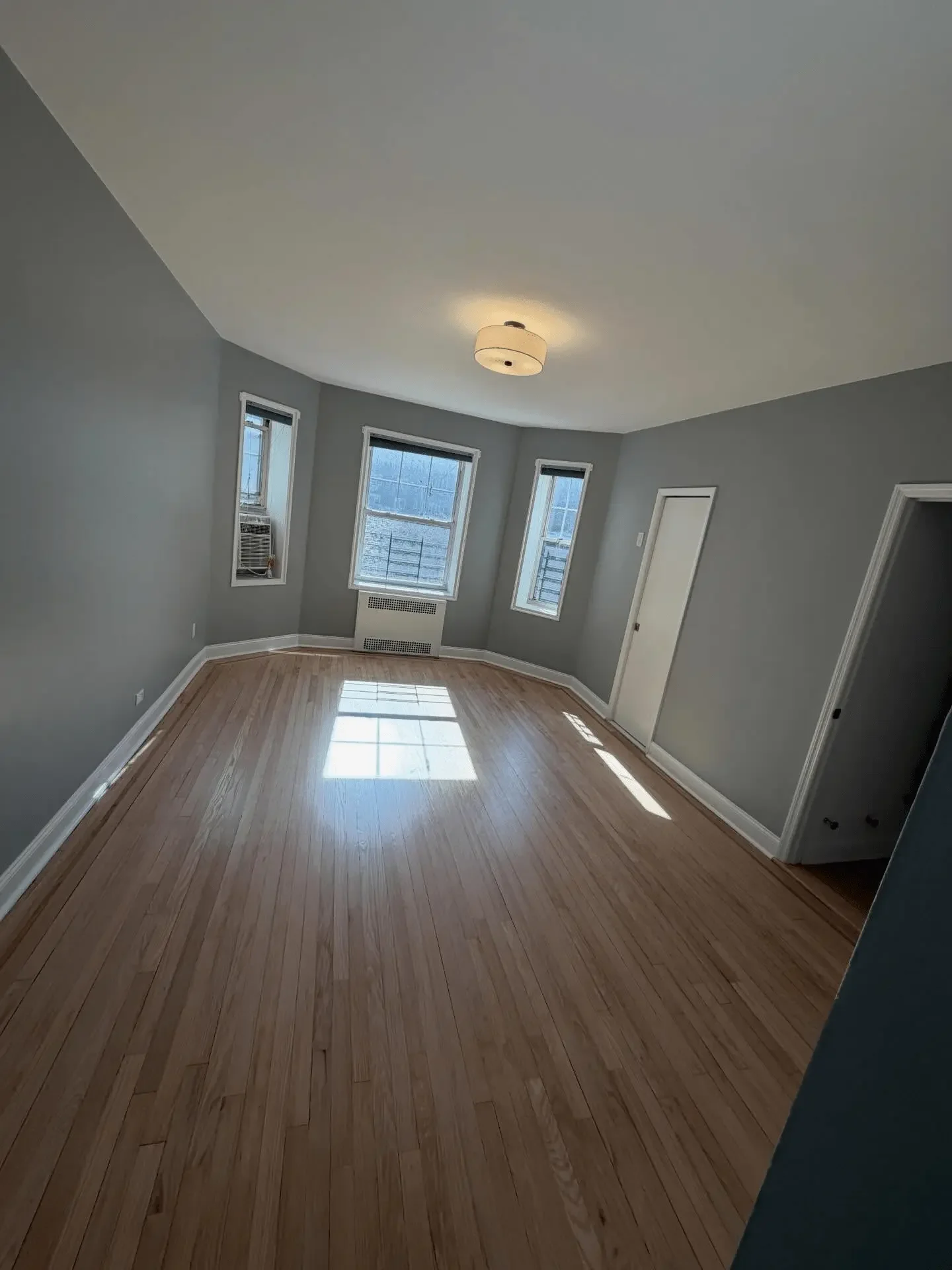
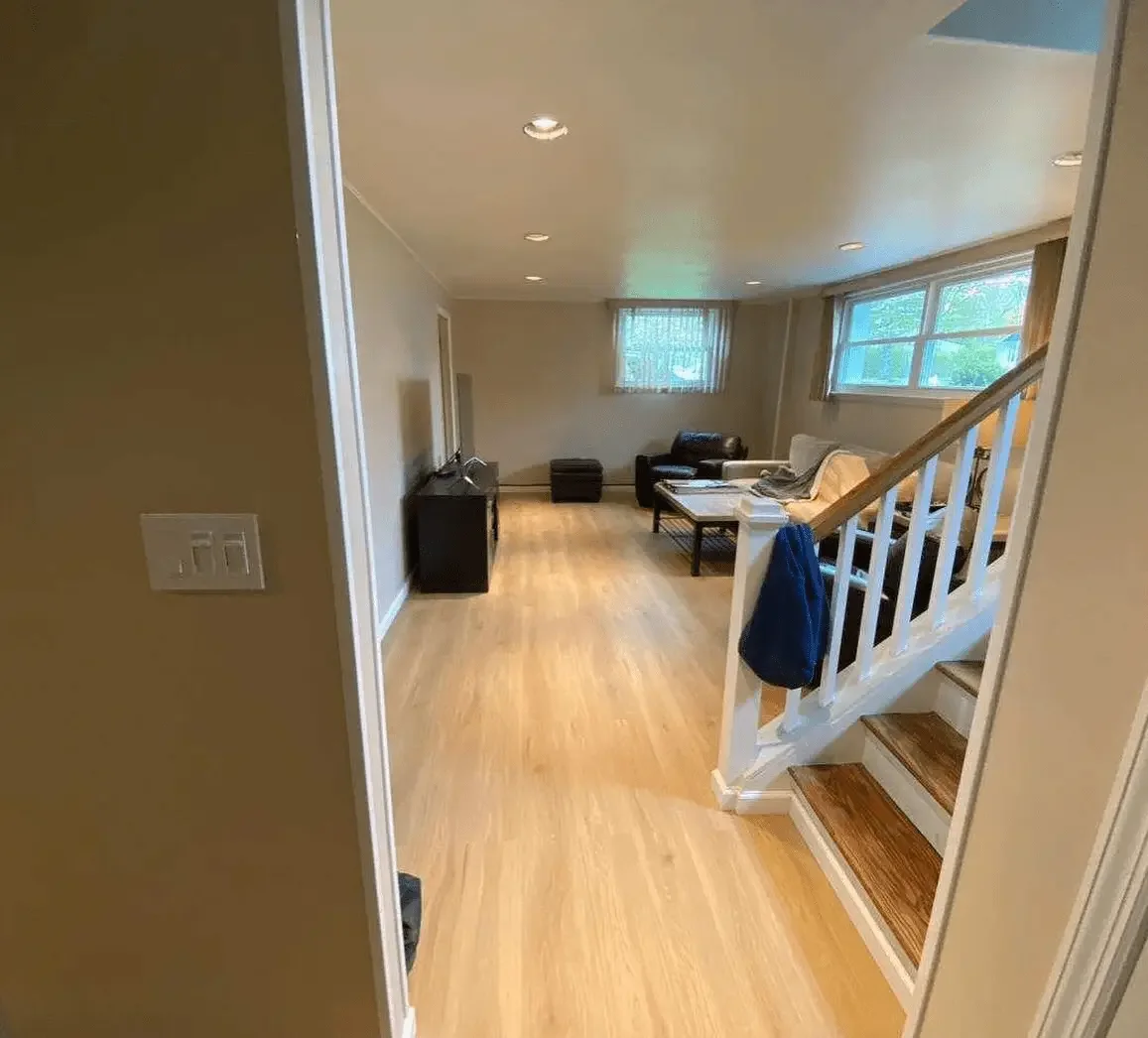
Full home renovations in St. George balance the original Victorian Frame character of the property against current code requirements and contemporary lifestyle expectations.

Bathroom Remodeling
Victorian Frame homes in St. George frequently feature original cast-iron fixtures and period tile configurations that require skilled hands to restore or sensitively replace.
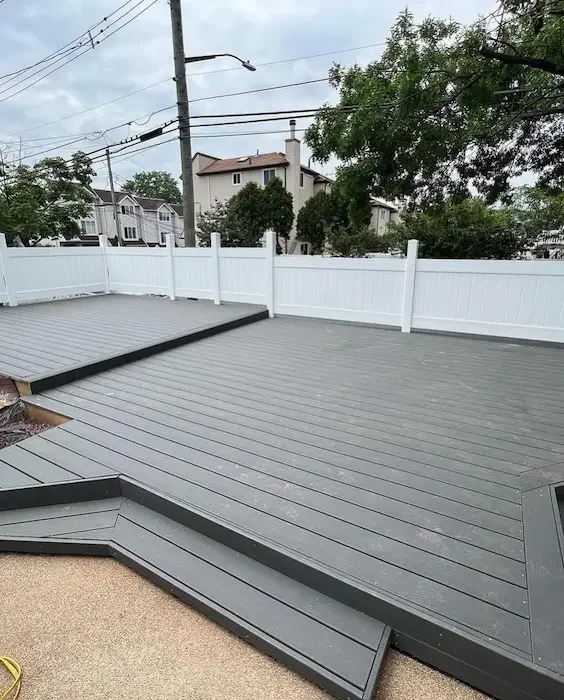
Deck Construction
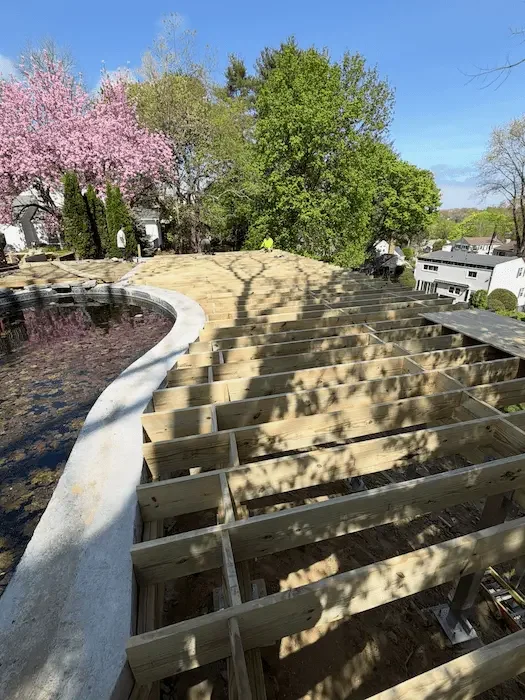
Exterior additions in St. George require careful material selection and massing to complement the existing Victorian Frame profile of the home and satisfy local setback regulations.
Serving St. George homeowners across all six disciplines
View All Staten Island LocationsVerified Reviews
What Staten Island Homeowners Say
Excellent craftsmanship and quality. They worked quickly and with great attention to detail. The kitchen is beautiful — exactly what we envisioned. Absolutely recommended.
Mingo Montes
Kitchen Remodeling · October 2025
We had a complex job — load-bearing wall removal, custom island, full mechanical relocation. JMR managed the structural engineer, the cabinet shop, and the stone fabricator without us needing to coordinate anything. Came in on schedule. The kitchen is exactly what we specified.
Robert Chen
Kitchen Remodeling · August 2025
JMR gutted and rebuilt our master bath from the studs. They coordinated the plumber and electrician themselves — we had one contact for the entire project. The result is exactly what we approved in the specification. Clean site every day. No surprises at any stage.
James Morley
Bathroom Remodeling · June 2025
Permits & Process
Permitting in St. George
What You Need to Know
NYC Department of Buildings — Staten Island Borough Office
Visit permit authority portalAll residential renovation work in St. George requiring structural, plumbing, electrical, or HVAC modifications must be filed with the NYC Department of Buildings through a DOB-registered architect or engineer. St. George has no comprehensive LPC residential Historic District designation, though the neighborhood contains several significant Individual NYC Landmarks: the Richmond County Courthouse (Carrère & Hastings, 1919) is an Individual NYC Landmark; the St. George Theatre (Reinhard & Hofmeister, 1929) is an Individual NYC Landmark; and the St. George Ferry Terminal (Whitehall Ferry Terminal reconstruction) carries landmark significance. Renovation work on residential properties adjacent to these Individual Landmarks may require LPC notification coordination, but the residential neighborhood's exterior alterations proceed through the DOB permit process without a general CofA requirement. St. George's defining permit complexity is its topography: the neighborhood is built on steep hillside grades above the ferry terminal, with residential streets that follow the ridge contours at grades of 10 to 20 percent or more. Retaining walls — which are ubiquitous on the hillside lots and are essential to the site's structural stability — require a DOB building permit with structural engineering drawings when the wall exceeds 4 feet in height from the bottom of the footing to the top of the wall. Retaining walls in failure or in need of reconstruction must be repaired under a DOB permit before the site is again stable for the adjacent building. Any scope involving excavation adjacent to a retaining wall — for a new foundation, a new below-grade room, or a utility installation — requires structural assessment of the wall's condition and capacity before the excavation proceeds. Foundation conditions on St. George's sloped lots vary by location on the hillside and may require geotechnical investigation for significant structural scope. JMR conducts retaining wall condition assessment, DOB BIS research, and topographic evaluation at the initial site visit for all St. George projects.
0How JMR Manages It
-
Consultation & Site Assessment
On-site review of existing conditions, structural constraints, and project scope. Preliminary permit pathway identified.
-
Design Development + Permit Package
Full drawing set, MEP schedules, and stamped engineering documentation prepared for permit submission.
-
Agency Review
Permit processing with the NYC Department of Buildings — Staten Island Borough Office.
-
Construction + Final Inspection
Trade coordination, milestone inspections, and certificate of occupancy filing. Full documentation package delivered at handover.
Common Questions
St. George,
Answered.
Permit timelines, material considerations, and what to expect from a project in St. George.
Ask Us DirectlyWhat permits are required for a home renovation in St. George, NY?
All residential renovation work in St. George requiring structural, plumbing, electrical, or HVAC modifications must be filed with the NYC Department of Buildings through a DOB-registered architect or engineer. St. George has no comprehensive LPC residential Historic District designation, though the neighborhood contains several significant Individual NYC Landmarks: the Richmond County Courthouse (Carrère & Hastings, 1919) is an Individual NYC Landmark; the St. George Theatre (Reinhard & Hofmeister, 1929) is an Individual NYC Landmark; and the St. George Ferry Terminal (Whitehall Ferry Terminal reconstruction) carries landmark significance. Renovation work on residential properties adjacent to these Individual Landmarks may require LPC notification coordination, but the residential neighborhood's exterior alterations proceed through the DOB permit process without a general CofA requirement. St. George's defining permit complexity is its topography: the neighborhood is built on steep hillside grades above the ferry terminal, with residential streets that follow the ridge contours at grades of 10 to 20 percent or more. Retaining walls — which are ubiquitous on the hillside lots and are essential to the site's structural stability — require a DOB building permit with structural engineering drawings when the wall exceeds 4 feet in height from the bottom of the footing to the top of the wall. Retaining walls in failure or in need of reconstruction must be repaired under a DOB permit before the site is again stable for the adjacent building. Any scope involving excavation adjacent to a retaining wall — for a new foundation, a new below-grade room, or a utility installation — requires structural assessment of the wall's condition and capacity before the excavation proceeds. Foundation conditions on St. George's sloped lots vary by location on the hillside and may require geotechnical investigation for significant structural scope. JMR conducts retaining wall condition assessment, DOB BIS research, and topographic evaluation at the initial site visit for all St. George projects.
What are the DOB requirements for retaining wall repair and reconstruction on St. George hillside properties, and how does JMR approach this scope?
Retaining walls on St. George hillside lots — which hold the terraced grade changes that are a defining feature of the neighborhood's steep topography — require a DOB building permit with structural engineering drawings when the wall height exceeds 4 feet from the bottom of the footing to the top of the wall. A retaining wall in failure — showing rotation, cracking, or visible deflection from the vertical — is a structural condition that must be addressed before any renovation work on the adjacent building proceeds, since a failing retaining wall can progressively unload soil onto or away from the building foundation. JMR's retaining wall assessment documents the wall's construction type (concrete block, poured concrete, stone rubble, or timber), its approximate height and length, its visible condition indicators, and its proximity to the building foundation and the property line. Where the wall is in acceptable condition, JMR presents repair scope; where the wall requires reconstruction, JMR's structural engineer designs the replacement wall to the applicable height, soil loading, and surcharge conditions, and files the DOB permit for the wall reconstruction as a standalone alteration or as part of the broader building renovation permit. Wall reconstruction on a St. George hillside lot also requires a plan for managing the soil on both sides of the wall during construction — a site logistics requirement that JMR sequences into the renovation schedule before demolition begins.
What structural and geotechnical requirements apply to new accessory structure construction on a St. George hillside lot?
New accessory structure construction on St. George hillside lots — garages, studios, or garden structures on the terraced rear lot — requires a DOB new building or alteration permit with complete architectural and structural drawings demonstrating compliance with the applicable residential zoning district's setback, lot coverage, and height requirements. The critical pre-design requirement on a St. George hillside lot is geotechnical investigation of the construction site: the soil conditions on the hillside vary from fill over residual soil to shallow bedrock depending on the position on the ridge and the history of prior grading, and the bearing capacity of the soil at the proposed foundation location must be established by a geotechnical engineer before any foundation type or size is specified. On steeply sloped lots, a new accessory structure may require a stepped foundation — where the footing elevation changes in steps to follow the grade — or a pile or pier foundation system if the shallow soil conditions do not provide adequate bearing. The new structure's proximity to existing retaining walls on the lot must also be assessed: construction loads adjacent to an existing retaining wall can increase the wall's loading and must be evaluated for the wall's capacity to carry the additional surcharge. JMR engages a geotechnical engineer and a structural engineer at the pre-construction assessment stage for all St. George new construction projects on sloped lots and presents foundation type recommendations and structural requirements before any architectural design begins.
Has JMR Construction completed projects in St. George before?
JMR has completed 8 projects in St. George — including full Victorian home gut renovations with retaining wall structural assessment and reconstruction, below-grade level waterproofing and finish renovation in hillside basement configurations, kitchen and primary suite renovations requiring DOB BIS open violation resolution, and foundation engineering for structural modifications on sloped lot configurations — with all permits filed through the NYC Department of Buildings Staten Island Borough Office.
Begin Your Project
Let's Build Something
Worth Inheriting.
Custom homes and full renovations from $150,000 — across Westchester County, Rockland, and NYC. A limited number of engagements accepted each year.
Request a Private ConsultationOr call us directly: (646) 581-0754
No commitment required · No unsolicited follow-up · Your project details stay between us