
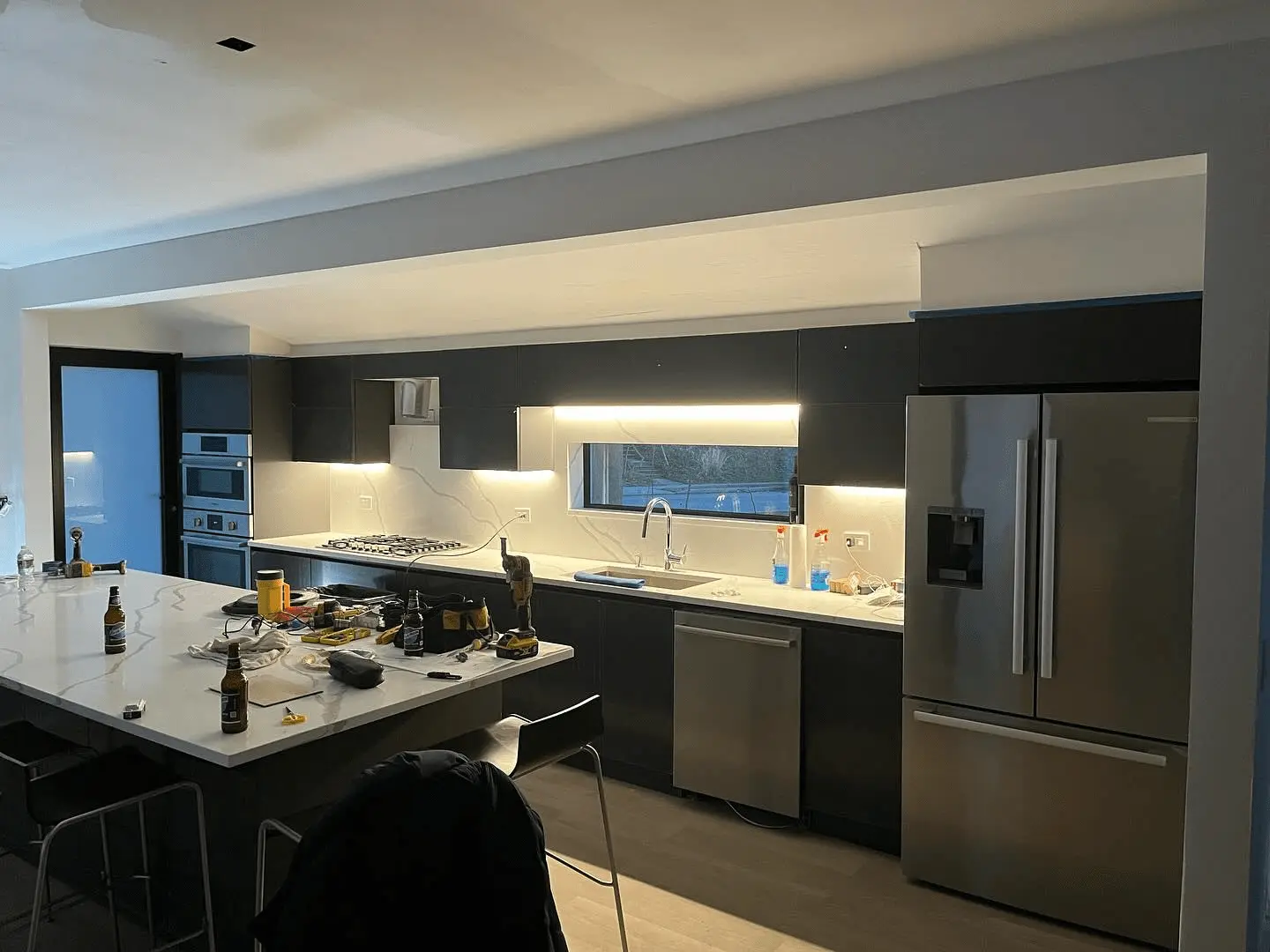
General Contractor
in Jamaica Estates, NY
Jamaica Estates' private streets were laid out in the 1920s through wooded terrain that the original developers preserved as mature canopy, and the residences built along those lanes — Tudor…
The Architecture of Jamaica Estates
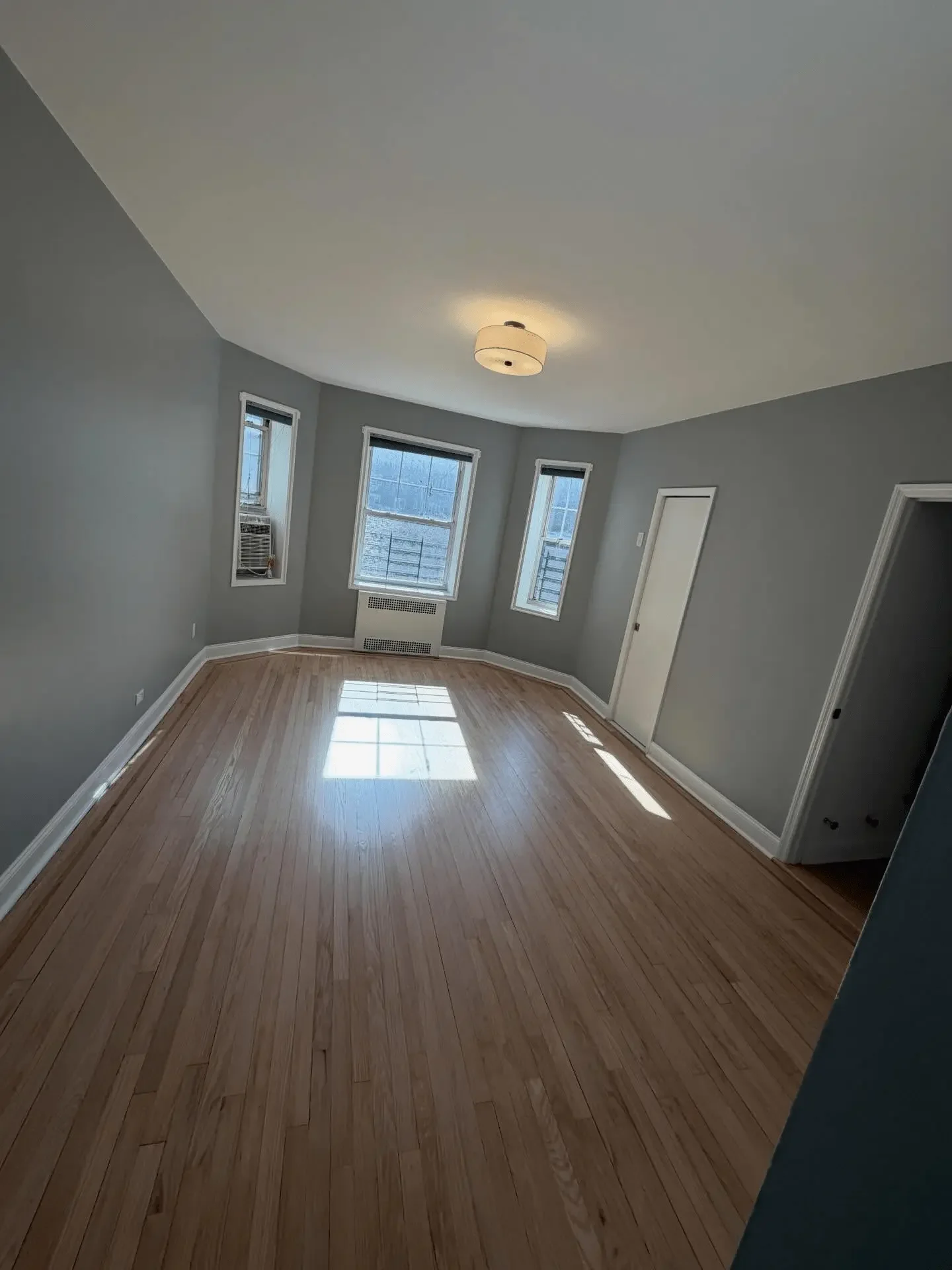
Tudor Revival · Colonial Revival
Primary Styles
1920s–1940s
Built Era
Jamaica Estates’s residential fabric is defined by Tudor Revival and Colonial Revival construction — a concentrated stock of homes built primarily between 1920s–1940s. At an average of 3,500 sq ft on lots ranging 0.15–0.5 acres, these properties set a high bar for material quality and construction precision.
Jamaica Estates' private streets were laid out in the 1920s through wooded terrain that the original developers preserved as mature canopy, and the residences built along those lanes — Tudor Revivals, Colonial Revivals, French Normans, and English Gothic — were designed with a generosity of scale rarely found in the five boroughs. These are houses with genuine setbacks, rear gardens large enough to support meaningful additions, and front elevations set far enough from the lane to allow a full reading of their architectural detail. JMR's Jamaica Estates work takes this scale seriously: the large detached home on a private lane presents renovation and addition opportunities that the denser urban borough cannot offer, and every approach is calibrated to both the building's original architectural language and the community's covenant framework.
JMR has completed projects within reach of Jamaica Estates Association private street network (Henley Road, Montrose Avenue, Radnor Road, and tributaries), Hillside Avenue commercial corridor (southern boundary), Grand Central Parkway (northern boundary).
Jamaica Estates occupies a wooded residential plateau in central-eastern Queens, bounded by the Grand Central Parkway to the north and Hillside Avenue to the south. The private street network and generous lot configurations — many from 6,000 to more than 15,000 square feet on R1-2 zoned parcels — create a residential environment markedly more suburban in scale than the surrounding Queens neighborhoods. The F train at 169th Street and Jamaica Avenue provides access to Midtown Manhattan in approximately 35–40 minutes. The Long Island Rail Road Jamaica terminal is approximately one mile from the community's center.
Our Approach in Jamaica Estates
Jamaica Estates' homes from the 1920s and 1930s carry renovation conditions consistent with their construction era and scale: load-bearing masonry exteriors in brick or stucco-over-block with the period detailing of their Tudor Revival or Colonial Revival tradition; timber-frame or heavy timber interior structures in the larger estates; original plaster on wood or metal lath with the finish quality of a 1920s residential commission; slate or clay tile roofs requiring specialist evaluation before any penetration or repair is proposed; and mechanical systems — oil-to-gas converted boilers, original electrical service, early cast iron drain systems — that reflect decades of piecemeal upgrade rather than systematic replacement. The JEA covenant layer adds a coordination requirement absent from standard Queens residential renovations. JMR's pre-construction assessment documents the building-era structural and mechanical conditions, and the specific covenant requirements, before any scope is proposed.
$1,100,000
Median Home Value
0.15–0.5
Lot Size (acres)
Track Record in Jamaica Estates
JMR has completed 5 projects in Jamaica Estates — including a full kitchen and primary suite renovation in a 1931 Tudor Revival with Jamaica Estates Association covenant coordination, a structural rear addition on a 1928 Colonial Revival, and a slate roof restoration with full flashing replacement — with all permits filed through the NYC Department of Buildings Queens Borough Office and all inspections closed.
Our Services
Six Disciplines.
Built for Jamaica Estates.
Every project in Jamaica Estates is delivered by the same dedicated JMR team — from permit application through certificate of occupancy. One integrated team. Zero subcontracted surprises.
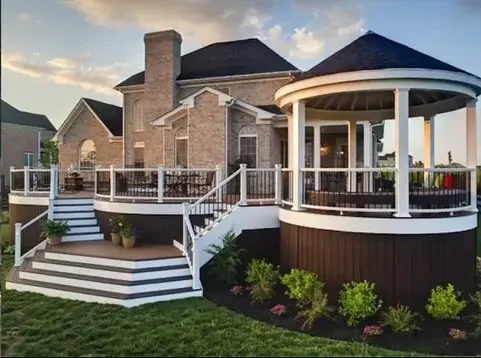
Custom Homes
New construction in Jamaica Estates is evaluated for compatibility with the surrounding Tudor Revival streetscape — a process JMR manages from design development through certificate of occupancy.
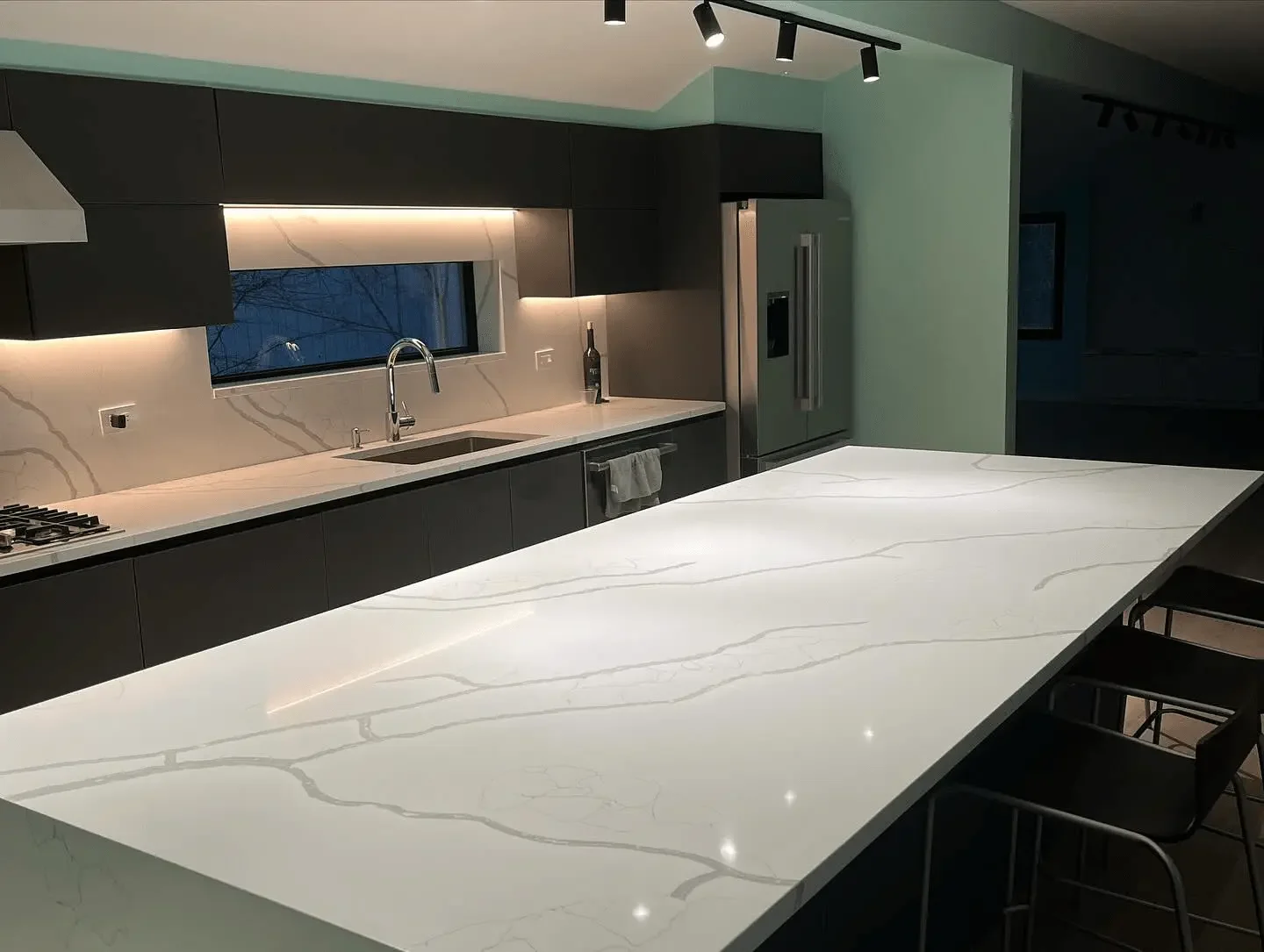
Kitchen Remodeling
Kitchen renovations in Jamaica Estates typically involve working within Tudor Revival structural layouts — preserving original millwork and ceiling heights while integrating modern appliances and MEP systems.
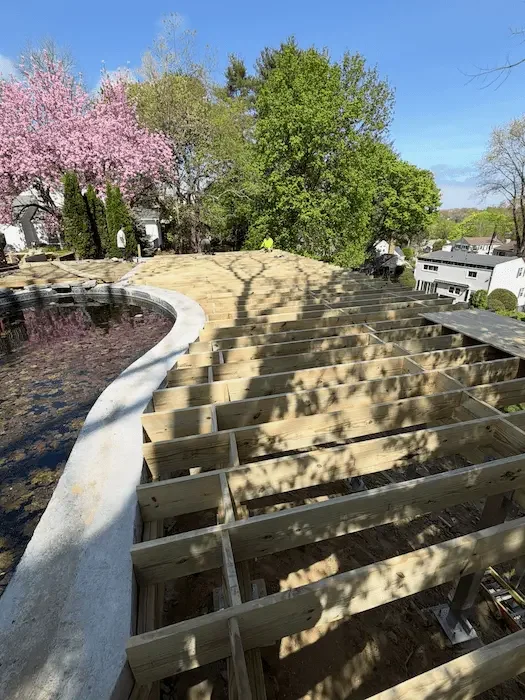
Roofing
Tudor Revival homes in Jamaica Estates often feature steep pitches, dormers, and period materials — slate, cedar shake — that require experienced estimation and precise, material-matched execution.
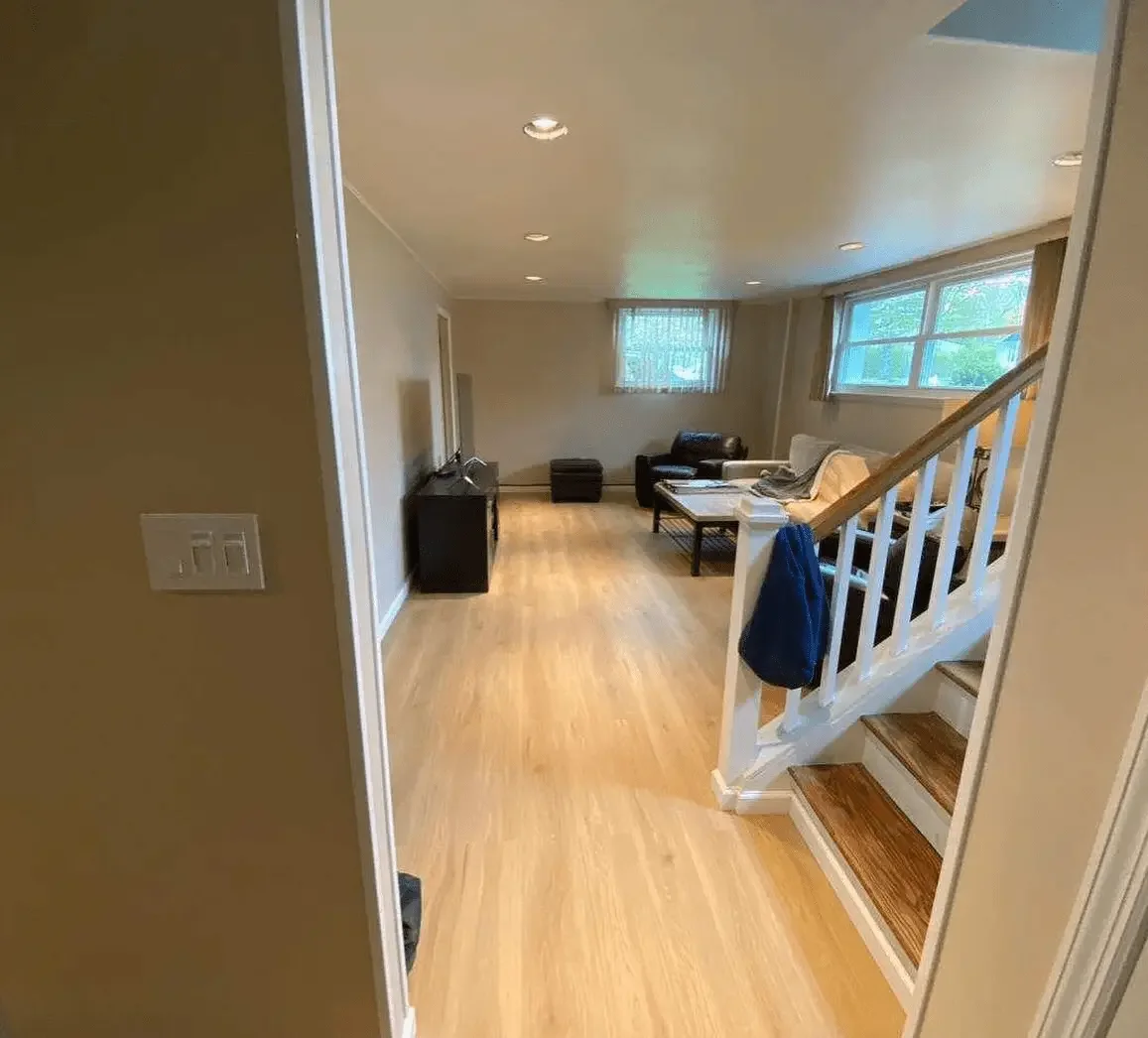
Home Remodeling
Full home renovations in Jamaica Estates balance the original Tudor Revival character of the property against current code requirements and contemporary lifestyle expectations.
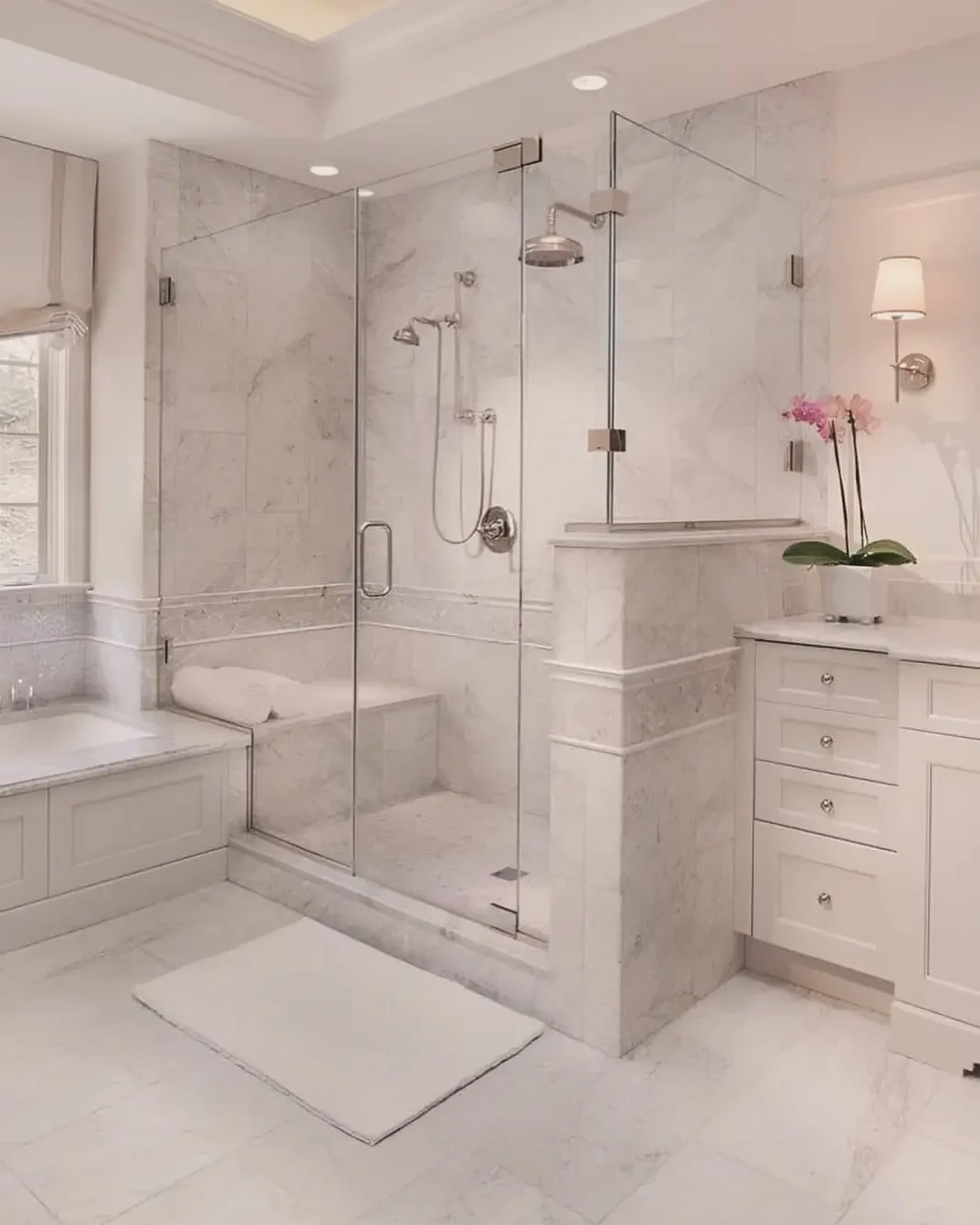
Bathroom Remodeling
Tudor Revival homes in Jamaica Estates frequently feature original cast-iron fixtures and period tile configurations that require skilled hands to restore or sensitively replace.
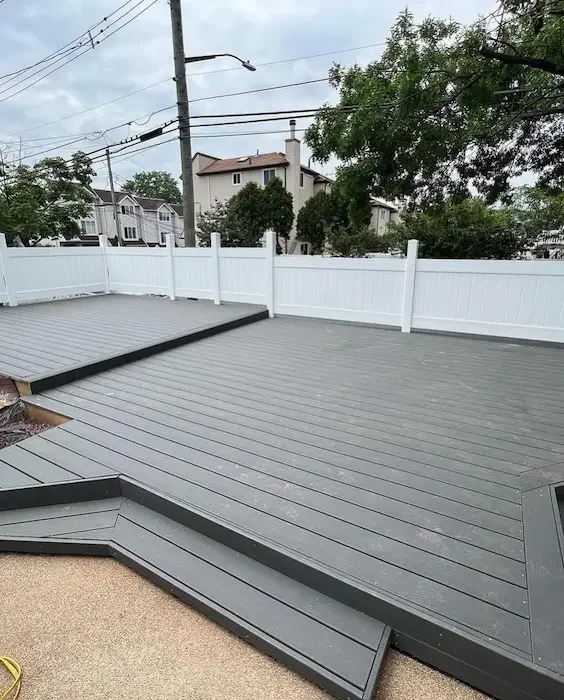
Deck Construction
Exterior additions in Jamaica Estates require careful material selection and massing to complement the existing Tudor Revival profile of the home and satisfy local setback regulations.
Serving Jamaica Estates homeowners across all six disciplines
View All Queens LocationsVerified Reviews
What Queens Homeowners Say
Excellent craftsmanship and quality. They worked quickly and with great attention to detail. The kitchen is beautiful — exactly what we envisioned. Absolutely recommended.
Mingo Montes
Kitchen Remodeling · October 2025
We had a complex job — load-bearing wall removal, custom island, full mechanical relocation. JMR managed the structural engineer, the cabinet shop, and the stone fabricator without us needing to coordinate anything. Came in on schedule. The kitchen is exactly what we specified.
Robert Chen
Kitchen Remodeling · August 2025
JMR gutted and rebuilt our master bath from the studs. They coordinated the plumber and electrician themselves — we had one contact for the entire project. The result is exactly what we approved in the specification. Clean site every day. No surprises at any stage.
James Morley
Bathroom Remodeling · June 2025
Permits & Process
Permitting in Jamaica Estates
What You Need to Know
NYC Department of Buildings — Queens Borough Office
Visit permit authority portalResidential renovation and construction work in Jamaica Estates requiring structural, plumbing, electrical, or HVAC modifications must be filed with the NYC Department of Buildings (DOB) Queens Borough Office through a licensed and DOB-registered architect or engineer. Jamaica Estates was developed beginning in the late 1920s as a private planned community with private streets maintained by the Jamaica Estates Association (JEA), which administers the community's private covenants governing exterior alterations and additions on properties within the private street network. Property owners within Jamaica Estates are obligated to consult with the JEA regarding proposed exterior alterations; the Association's private covenants carry legal weight as deed-recorded restrictions and should be addressed before any exterior scope is finalized. Jamaica Estates does not carry an NYC Landmarks Preservation Commission designation; the applicable regulatory framework for construction is the standard NYC Building Code and DOB Queens Borough Office permitting, with the JEA private covenant layer applying independently. Jamaica Estates' residential zoning — primarily R1-2 single-family residential — governs lot coverage, setback, and height requirements that constrain additions on the community's characteristically generous lots. JMR reviews the DOB BIS record, the applicable R1-2 zoning parameters, and the JEA private covenant conditions at the initial site assessment before any renovation scope is proposed.
0How JMR Manages It
-
Consultation & Site Assessment
On-site review of existing conditions, structural constraints, and project scope. Preliminary permit pathway identified.
-
Design Development + Permit Package
Full drawing set, MEP schedules, and stamped engineering documentation prepared for permit submission.
-
Agency Review
Permit processing with the NYC Department of Buildings — Queens Borough Office.
-
Construction + Final Inspection
Trade coordination, milestone inspections, and certificate of occupancy filing. Full documentation package delivered at handover.
Common Questions
Jamaica Estates,
Answered.
Permit timelines, material considerations, and what to expect from a project in Jamaica Estates.
Ask Us DirectlyWhat permits are required for a home renovation in Jamaica Estates, NY?
Residential renovation and construction work in Jamaica Estates requiring structural, plumbing, electrical, or HVAC modifications must be filed with the NYC Department of Buildings (DOB) Queens Borough Office through a licensed and DOB-registered architect or engineer. Jamaica Estates was developed beginning in the late 1920s as a private planned community with private streets maintained by the Jamaica Estates Association (JEA), which administers the community's private covenants governing exterior alterations and additions on properties within the private street network. Property owners within Jamaica Estates are obligated to consult with the JEA regarding proposed exterior alterations; the Association's private covenants carry legal weight as deed-recorded restrictions and should be addressed before any exterior scope is finalized. Jamaica Estates does not carry an NYC Landmarks Preservation Commission designation; the applicable regulatory framework for construction is the standard NYC Building Code and DOB Queens Borough Office permitting, with the JEA private covenant layer applying independently. Jamaica Estates' residential zoning — primarily R1-2 single-family residential — governs lot coverage, setback, and height requirements that constrain additions on the community's characteristically generous lots. JMR reviews the DOB BIS record, the applicable R1-2 zoning parameters, and the JEA private covenant conditions at the initial site assessment before any renovation scope is proposed.
What renovation conditions are typical in Jamaica Estates' 1920s and 1930s Tudor Revival and Colonial Revival homes?
Jamaica Estates' Tudor Revival and Colonial Revival homes from the 1920s and 1930s were built to a scale and specification uncommon in Queens' denser residential areas. Exterior walls are typically load-bearing brick masonry or stucco-over-block with period detailing — half-timber panels, arched entry surrounds, cast stone sills and lintels — that requires understanding the masonry structural system before any wall opening or addition connection is proposed. Interior framing in the larger estates may include heavy timber or dimensional lumber in species — chestnut, Douglas fir, old-growth pine — that reflect the era's material availability. Original plaster systems, slate or clay tile roofs, and the first generation of modernized mechanical systems are the baseline renovation conditions for homes of this era. JMR's pre-construction assessment documents the specific structural and material conditions of each Jamaica Estates property before any full renovation scope is proposed.
Can a new custom home be built on a Jamaica Estates lot, and what is the process?
New residential construction on a Jamaica Estates lot follows the standard NYC DOB Queens Borough Office permit pathway — a building permit filed by a DOB-registered architect with full construction documents — plus consultation with the Jamaica Estates Association regarding the proposed design's compatibility with the community's covenant framework. Jamaica Estates' R1-2 zoning designation governs maximum lot coverage, building height, and setback requirements for new construction; the community's generous lot sizes often permit footprints that denser Queens residential zoning districts cannot. The JEA consultation regarding exterior design should precede the DOB filing to avoid revision requirements after the permit process has begun. JMR coordinates the JEA consultation and DOB filing as a sequential process and reviews the specific zoning parameters for the subject lot at the initial site assessment.
Has JMR Construction completed projects in Jamaica Estates before?
JMR has completed 5 projects in Jamaica Estates — including a full kitchen and primary suite renovation in a 1931 Tudor Revival with Jamaica Estates Association covenant coordination, a structural rear addition on a 1928 Colonial Revival, and a slate roof restoration with full flashing replacement — with all permits filed through the NYC Department of Buildings Queens Borough Office and all inspections closed.
Begin Your Project
Let's Build Something
Worth Inheriting.
Custom homes and full renovations from $150,000 — across Westchester County, Rockland, and NYC. A limited number of engagements accepted each year.
Request a Private ConsultationOr call us directly: (646) 581-0754
No commitment required · No unsolicited follow-up · Your project details stay between us