
General Contractor
in Chelsea, NY
Chelsea's residential landscape reflects the layered history of a neighborhood that developed across multiple eras and has always occupied a middle position — between the West Village to the south…
The Architecture of Chelsea
Pre-war Co-op · Federal Row House
Primary Styles
1840s–1940s
Built Era
Chelsea’s residential fabric is defined by Pre-war Co-op and Federal Row House construction — a concentrated stock of homes built primarily between 1840s–1940s. At an average of 1,250 sq ft on lots ranging N/A (co-op/condominium units) acres, these properties set a high bar for material quality and construction precision.
Chelsea's residential landscape reflects the layered history of a neighborhood that developed across multiple eras and has always occupied a middle position — between the West Village to the south and the Midtown grid to the north, between the Hudson River and the Sixth Avenue commercial corridor. The Federal row houses and Greek Revival brownstones of the historic district blocks — built in the 1840s and 1850s on land that was once part of the estate of Clement Clarke Moore — carry the material character of their era and provide some of Chelsea's most architecturally complete streetscapes. London Terrace Gardens' full-block composition of 14 interconnected towers built in 1929–1931 represents one of the largest single residential developments of the interwar period. The loft-to-residential conversions of the western blocks and West Chelsea's newer residential towers represent successive layers of the neighborhood's development. JMR's Chelsea renovation work navigates this variety thoughtfully, approaching each building type with the specific expertise its construction era and regulatory status require.
JMR has completed projects within reach of The High Line (NYC Landmark — elevated freight rail converted to public park), The Chelsea Hotel (Individual NYC Landmark), General Theological Seminary — The Close (Individual NYC Landmark).
Chelsea extends from West 14th to approximately West 34th streets between the Hudson River and Sixth Avenue, with the neighborhood's residential core centered on the West 20s between Eighth and Tenth avenues. It is served by the 1/2/3 lines along Seventh Avenue and the A/C/E lines along Eighth Avenue. The High Line's elevated park, running through the western blocks on the former freight rail viaduct, has shaped the character and development pattern of West Chelsea since its opening in 2009.
Our Approach in Chelsea
Chelsea's residential renovation conditions span a wider range of building types than any single description captures. The Federal and Greek Revival brownstones of the Chelsea Historic District (1840s–1870s) carry original timber framing, plaster systems, and masonry conditions analogous to West Village townhouses of the same era. Pre-war co-op buildings of the 1920s and 1930s — including units within London Terrace Gardens — carry standard pre-war conditions: original plaster, galvanized or early copper drain piping, electrical panels predating modern circuit requirements, and co-op board alteration agreement requirements specific to each building. Loft-to-residential conversions in the western blocks span multiple conversion vintages, with the earliest JLWQ conversions of the 1970s and 1980s retaining the most original industrial material. JMR's pre-construction assessment begins with the DOB BIS record and a physical condition assessment of the specific unit before any renovation scope is proposed.
$1,600,000
Median Home Value
N/A (co-op/condominium units)
Lot Size (acres)
Track Record in Chelsea
JMR has completed 8 projects in Chelsea — including full gut renovations of Federal and Italianate brownstones within the Chelsea Historic District, co-op renovations in London Terrace Gardens with full alteration agreement coordination, and open-plan loft renovations in West Chelsea conversion buildings — with all permits filed through the NYC Department of Buildings and all LPC requirements satisfied where applicable.
Our Services
Six Disciplines.
Built for Chelsea.
Every project in Chelsea is delivered by the same dedicated JMR team — from permit application through certificate of occupancy. One integrated team. Zero subcontracted surprises.
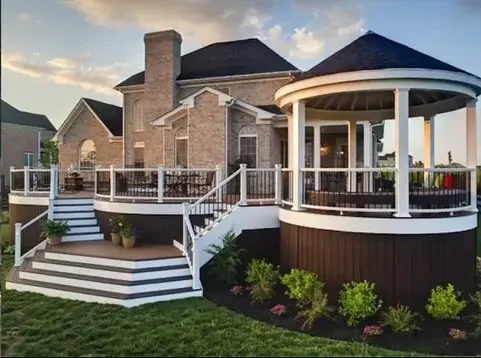
Custom Homes
New construction in Chelsea is evaluated for compatibility with the surrounding Pre-war Co-op streetscape — a process JMR manages from design development through certificate of occupancy.
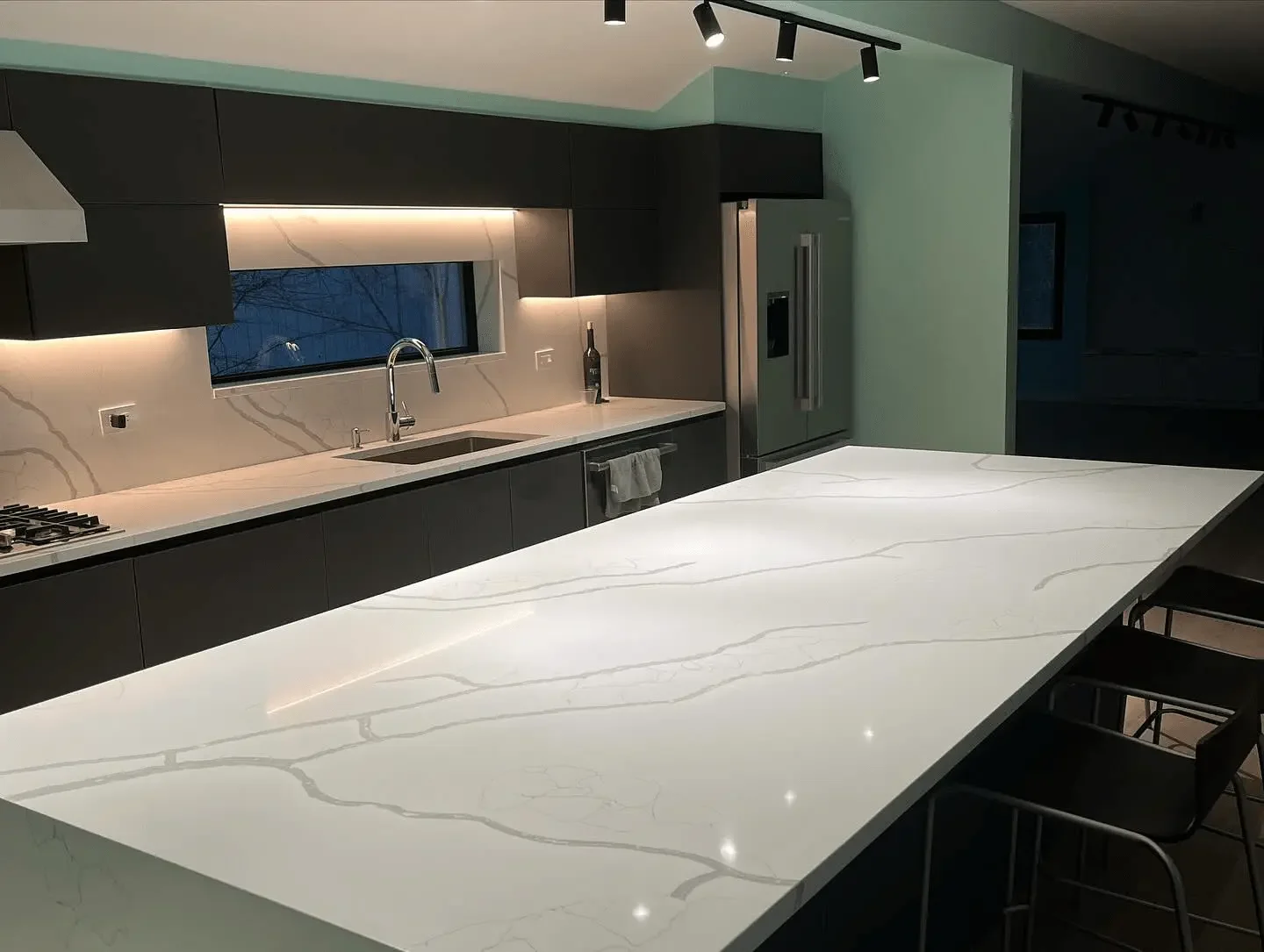
Kitchen Remodeling
Kitchen renovations in Chelsea typically involve working within Pre-war Co-op structural layouts — preserving original millwork and ceiling heights while integrating modern appliances and MEP systems.
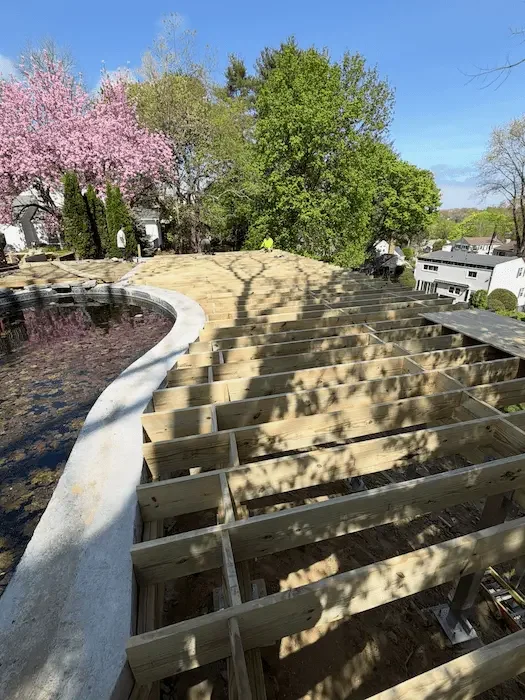
Roofing
Pre-war Co-op homes in Chelsea often feature steep pitches, dormers, and period materials — slate, cedar shake — that require experienced estimation and precise, material-matched execution.
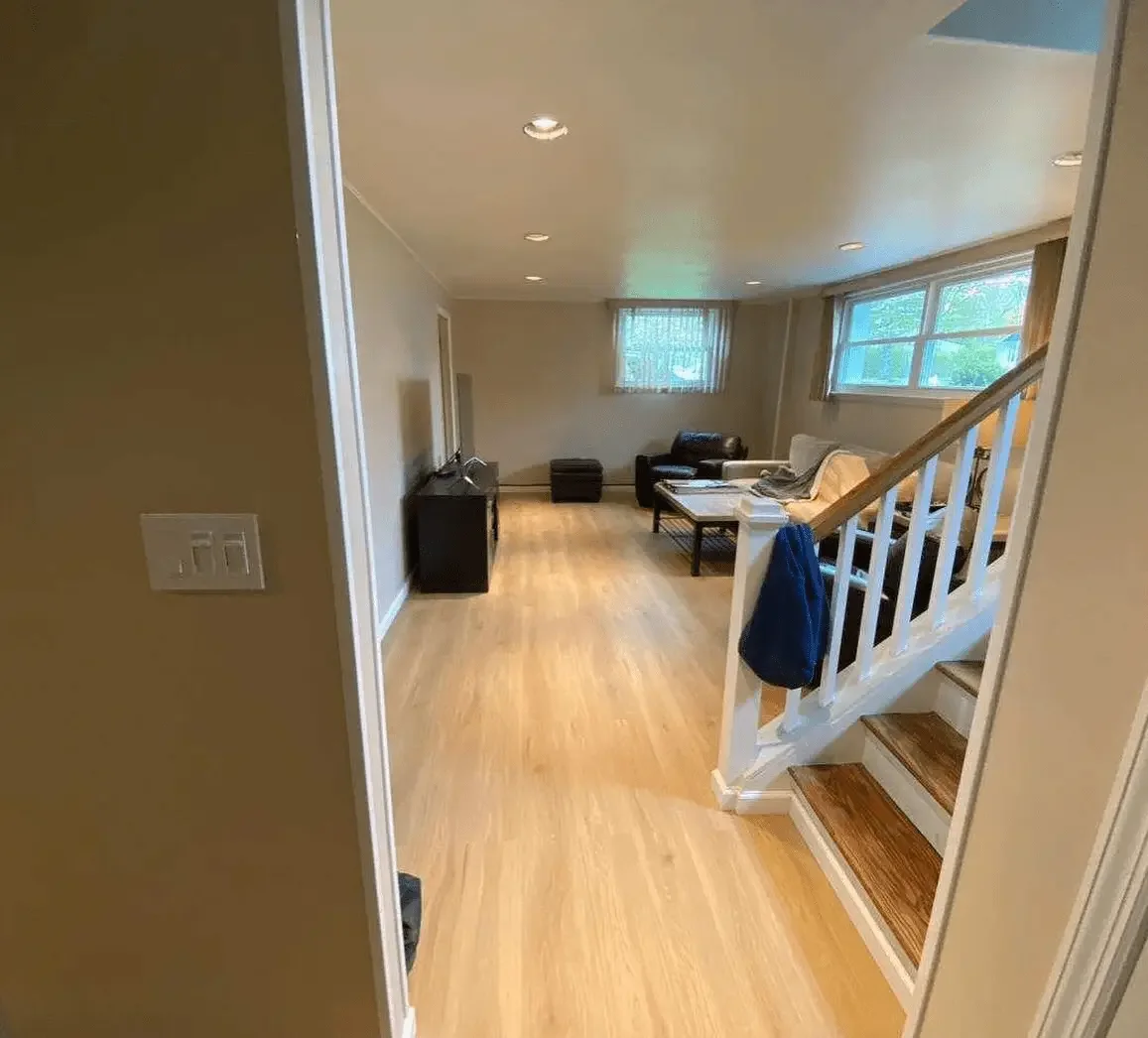
Home Remodeling
Full home renovations in Chelsea balance the original Pre-war Co-op character of the property against current code requirements and contemporary lifestyle expectations.
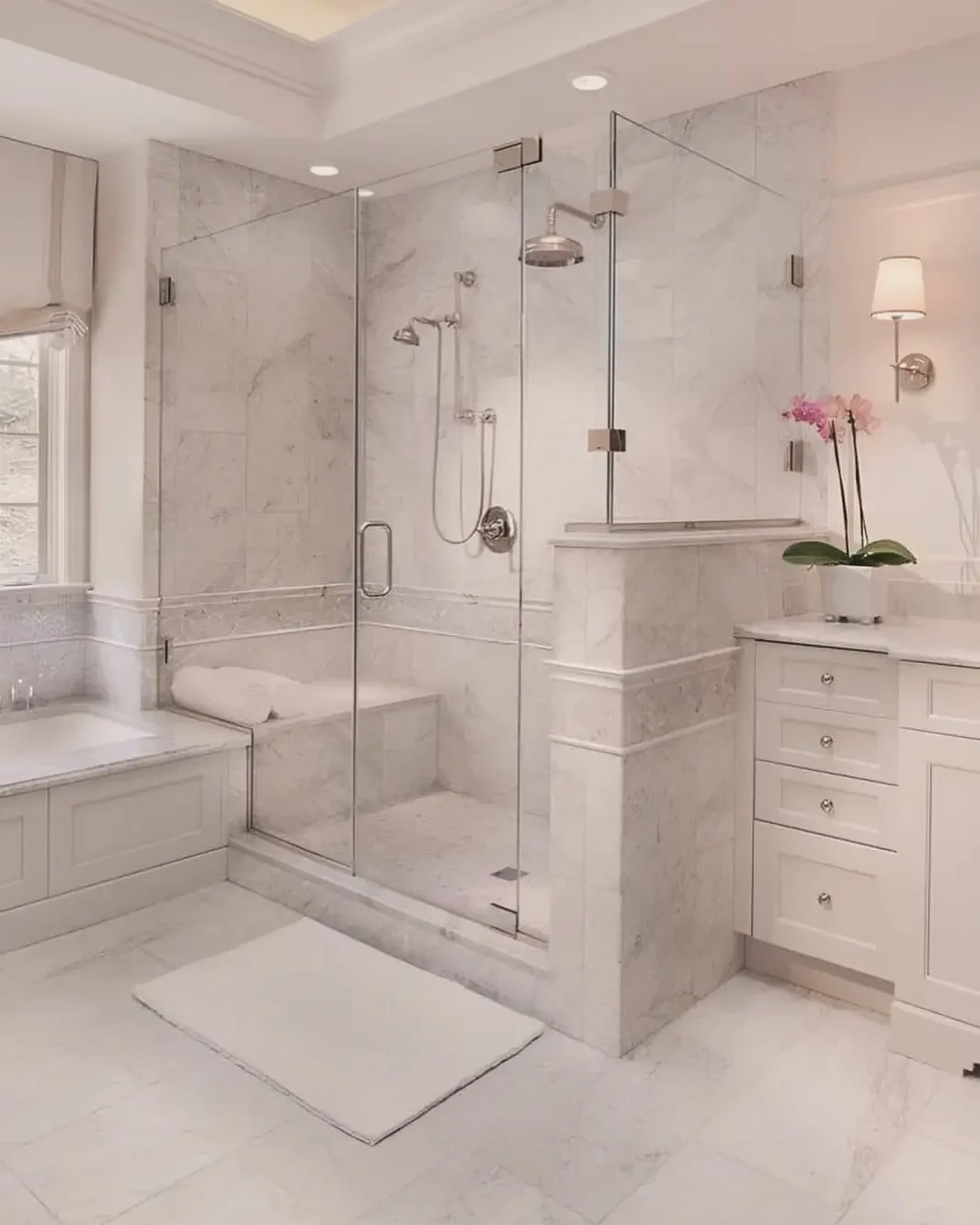
Bathroom Remodeling
Pre-war Co-op homes in Chelsea frequently feature original cast-iron fixtures and period tile configurations that require skilled hands to restore or sensitively replace.
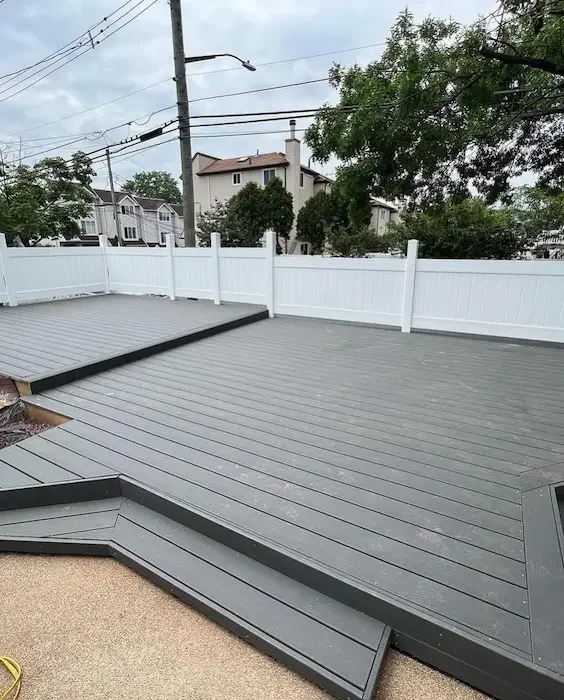
Deck Construction
Exterior additions in Chelsea require careful material selection and massing to complement the existing Pre-war Co-op profile of the home and satisfy local setback regulations.
Serving Chelsea homeowners across all six disciplines
View All Manhattan LocationsVerified Reviews
What Manhattan Homeowners Say
Excellent craftsmanship and quality. They worked quickly and with great attention to detail. The kitchen is beautiful — exactly what we envisioned. Absolutely recommended.
Mingo Montes
Kitchen Remodeling · October 2025
We had a complex job — load-bearing wall removal, custom island, full mechanical relocation. JMR managed the structural engineer, the cabinet shop, and the stone fabricator without us needing to coordinate anything. Came in on schedule. The kitchen is exactly what we specified.
Robert Chen
Kitchen Remodeling · August 2025
JMR gutted and rebuilt our master bath from the studs. They coordinated the plumber and electrician themselves — we had one contact for the entire project. The result is exactly what we approved in the specification. Clean site every day. No surprises at any stage.
James Morley
Bathroom Remodeling · June 2025
Permits & Process
Permitting in Chelsea
What You Need to Know
NYC Department of Buildings — Manhattan Borough Office
Visit permit authority portalAll residential renovation work in Chelsea requiring structural, plumbing, electrical, or HVAC modifications must be filed with the NYC Department of Buildings (DOB) through a licensed and DOB-registered architect or engineer. Chelsea's residential landscape encompasses several distinct regulatory environments. The Chelsea Historic District (LPC, 1970) covers specific blocks around the General Theological Seminary between West 19th and 23rd streets, requiring Certificate of Appropriateness for exterior alterations within its boundaries. Individual NYC Landmark buildings — London Terrace Gardens (the full-block residential complex between Tenth and Eleventh avenues on West 23rd and 24th streets), the General Theological Seminary, and The Chelsea Hotel on West 23rd Street — require LPC review for alterations affecting their designated architectural features. For London Terrace Gardens units, building management approval for construction logistics is required alongside the DOB filing. Outside the historic district and individual landmark buildings, Chelsea's pre-war co-ops and loft-to-residential conversion buildings are governed by standard DOB permitting and, where applicable, co-op board alteration agreements specific to each building. Chelsea's loft-to-residential conversion buildings — concentrated in the West Chelsea blocks west of Tenth Avenue — have complex Certificate of Occupancy histories, often moving from manufacturing to JLWQ to full residential use; JMR researches the DOB BIS record for each of these buildings at the initial assessment before any renovation scope is proposed.
Historic District Considerations
The Chelsea Historic District (LPC, 1970) covers specific blocks around the General Theological Seminary. Within the district, Certificate of Appropriateness is required for exterior alterations visible from a public way. London Terrace Gardens and the General Theological Seminary are Individual NYC Landmarks with separate LPC review requirements for alterations affecting their designated architectural features. The Chelsea Hotel (Individual NYC Landmark) requires LPC review for exterior alterations. Properties outside the Chelsea Historic District and away from Individual Landmark buildings are subject to standard NYC DOB permitting.
How JMR Manages It
-
Consultation & Site Assessment
On-site review of existing conditions, structural constraints, and project scope. Preliminary permit pathway identified.
-
Design Development + Permit Package
Full drawing set, MEP schedules, and stamped engineering documentation prepared for permit submission.
-
Agency Review
Permit processing with the NYC Department of Buildings — Manhattan Borough Office — inclusive of any required historic review board approval.
-
Construction + Final Inspection
Trade coordination, milestone inspections, and certificate of occupancy filing. Full documentation package delivered at handover.
Common Questions
Chelsea,
Answered.
Permit timelines, material considerations, and what to expect from a project in Chelsea.
Ask Us DirectlyWhat permits are required for a home renovation in Chelsea, NY?
All residential renovation work in Chelsea requiring structural, plumbing, electrical, or HVAC modifications must be filed with the NYC Department of Buildings (DOB) through a licensed and DOB-registered architect or engineer. Chelsea's residential landscape encompasses several distinct regulatory environments. The Chelsea Historic District (LPC, 1970) covers specific blocks around the General Theological Seminary between West 19th and 23rd streets, requiring Certificate of Appropriateness for exterior alterations within its boundaries. Individual NYC Landmark buildings — London Terrace Gardens (the full-block residential complex between Tenth and Eleventh avenues on West 23rd and 24th streets), the General Theological Seminary, and The Chelsea Hotel on West 23rd Street — require LPC review for alterations affecting their designated architectural features. For London Terrace Gardens units, building management approval for construction logistics is required alongside the DOB filing. Outside the historic district and individual landmark buildings, Chelsea's pre-war co-ops and loft-to-residential conversion buildings are governed by standard DOB permitting and, where applicable, co-op board alteration agreements specific to each building. Chelsea's loft-to-residential conversion buildings — concentrated in the West Chelsea blocks west of Tenth Avenue — have complex Certificate of Occupancy histories, often moving from manufacturing to JLWQ to full residential use; JMR researches the DOB BIS record for each of these buildings at the initial assessment before any renovation scope is proposed.
How does Chelsea Historic District (LPC — designated 1970) affect renovation permits in Chelsea?
The Chelsea Historic District (LPC, 1970) covers specific blocks around the General Theological Seminary. Within the district, Certificate of Appropriateness is required for exterior alterations visible from a public way. London Terrace Gardens and the General Theological Seminary are Individual NYC Landmarks with separate LPC review requirements for alterations affecting their designated architectural features. The Chelsea Hotel (Individual NYC Landmark) requires LPC review for exterior alterations. Properties outside the Chelsea Historic District and away from Individual Landmark buildings are subject to standard NYC DOB permitting.
What is the permit and alteration agreement process for a kitchen renovation in a Chelsea co-op or London Terrace Gardens unit?
Kitchen renovations in Chelsea co-operative buildings — including London Terrace Gardens, an Individual NYC Landmark complex — require both a NYC DOB building permit filed by a DOB-registered architect and execution of the building's alteration agreement before work may begin. For London Terrace Gardens units, any exterior alteration — including a new range hood vent or mechanical exhaust through the facade — requires LPC Certificate of Appropriateness review in addition to DOB approval. Interior kitchen renovations that do not affect exterior-visible elements or the designated interior architectural features of the landmark do not require LPC review. JMR reviews the specific alteration agreement requirements for each building, confirms the applicable LPC regulatory framework, and manages the full DOB filing and alteration agreement coordination as part of standard project administration.
What LPC and DOB requirements apply to a renovation within the Chelsea Historic District?
Residential renovations within the Chelsea Historic District require Certificate of Appropriateness for any exterior alteration visible from a public way. The district's building stock consists primarily of Federal and Italianate row houses from the 1840s through the 1870s, and the LPC's character guidelines address the specific architectural elements of this period: brownstone or brick facades, stoop configurations, original window and door proportions, and roof profiles. Interior renovations that do not affect exterior-visible elements do not require LPC review. JMR coordinates the CofA submission for all exterior alterations within the Chelsea Historic District and prepares the full DOB alteration permit package as part of standard project administration.
Has JMR Construction completed projects in Chelsea before?
JMR has completed 8 projects in Chelsea — including full gut renovations of Federal and Italianate brownstones within the Chelsea Historic District, co-op renovations in London Terrace Gardens with full alteration agreement coordination, and open-plan loft renovations in West Chelsea conversion buildings — with all permits filed through the NYC Department of Buildings and all LPC requirements satisfied where applicable.
Begin Your Project
Let's Build Something
Worth Inheriting.
Custom homes and full renovations from $150,000 — across Westchester County, Rockland, and NYC. A limited number of engagements accepted each year.
Request a Private ConsultationOr call us directly: (646) 581-0754
No commitment required · No unsolicited follow-up · Your project details stay between us